


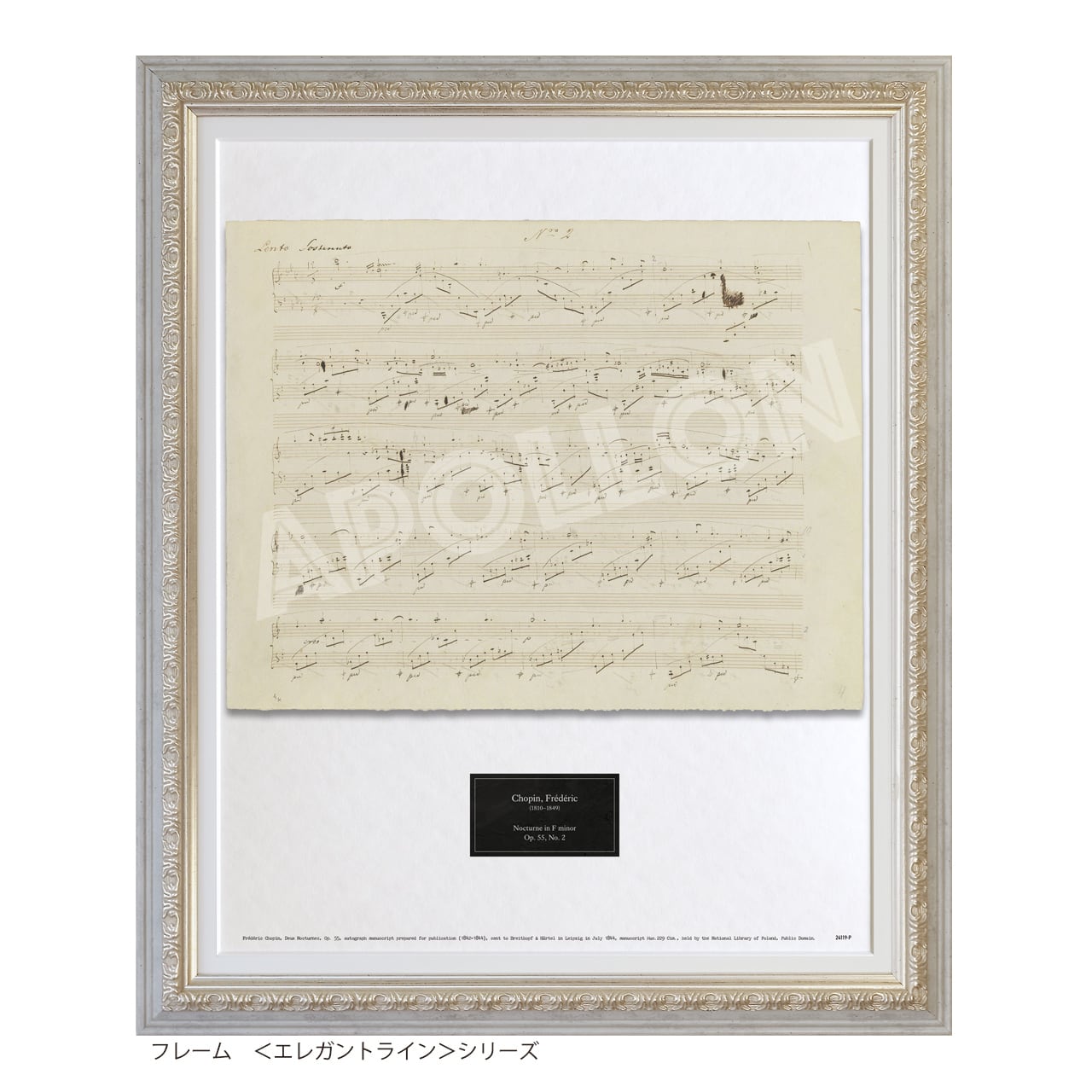
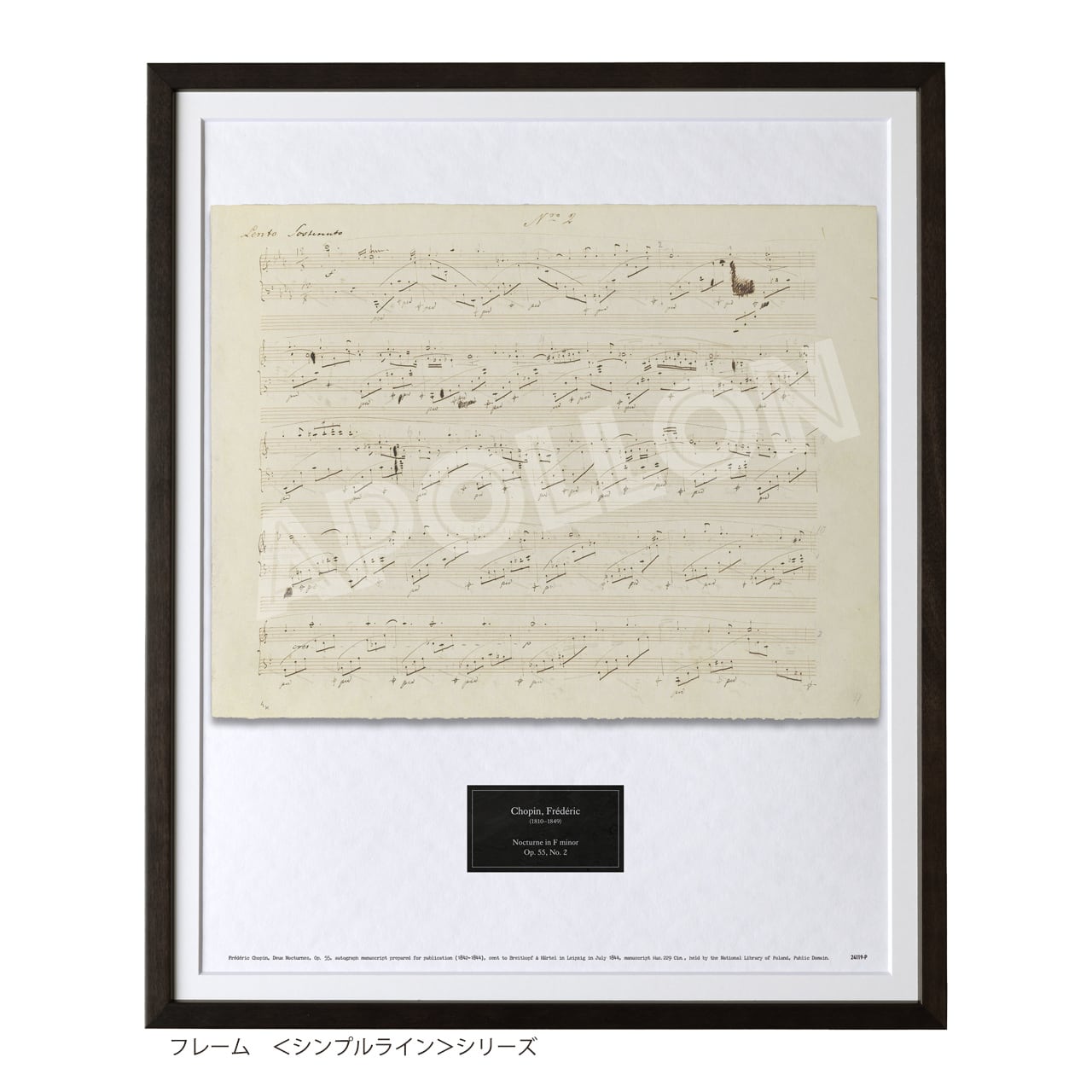

ショパン:ノクターン第16番 変ホ長調 Op.55-2 /Chopin: Nocturne in E-flat major, Op.55, No.2
¥14,630 ($92.48)
Chopin, Frédéric (1810–1849)
Nocturne No. 16 in E-flat major, Op. 55, No. 2
※別途、ノクターン第15番 Op.55, No.1もございます
↓ Also available: Nocturne No. 15 in F minor, Op. 55, No. 1
https://apollon.kooki-museum.com/items/149819865
《商品説明》 Product Specifications
◉プリントタイプ/高精細ジークレープリント
Print Type: High-definition Giclée print
◉出力紙/ドイツ製ハーネミューレ ファイン・アート紙(アシッドフリー)
Paper: Hahnemühle Fine Art Paper (Made in Germany, Acid-free)
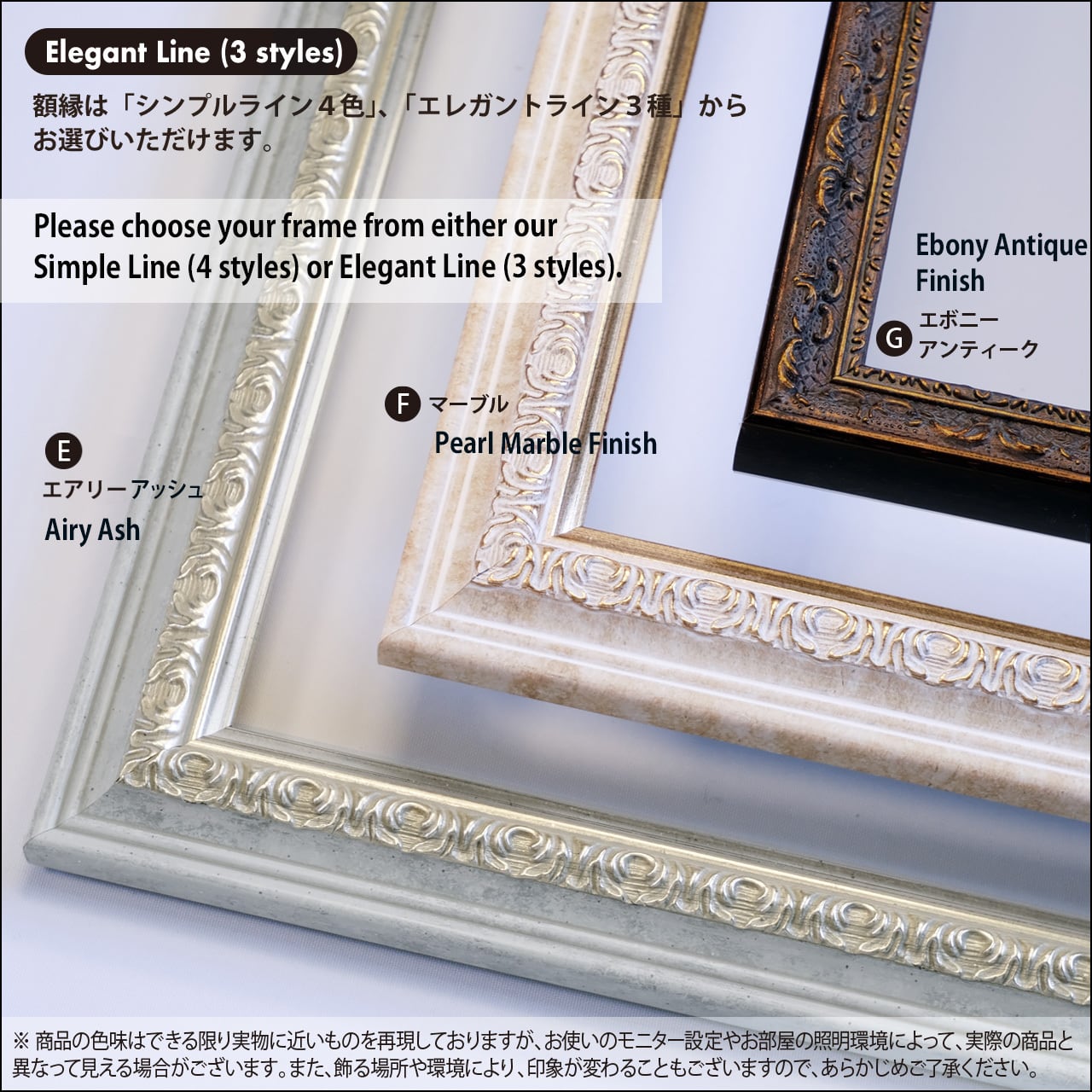
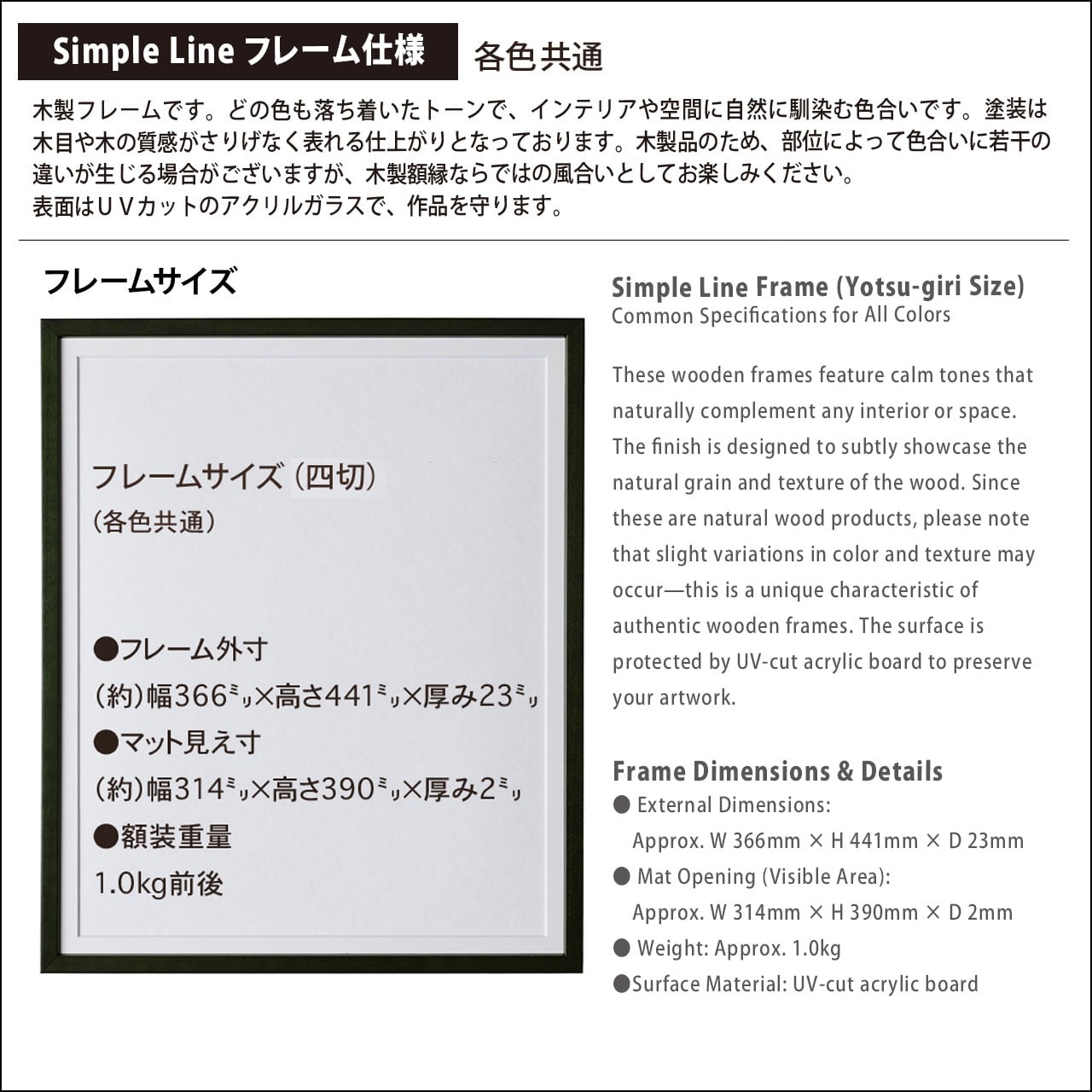
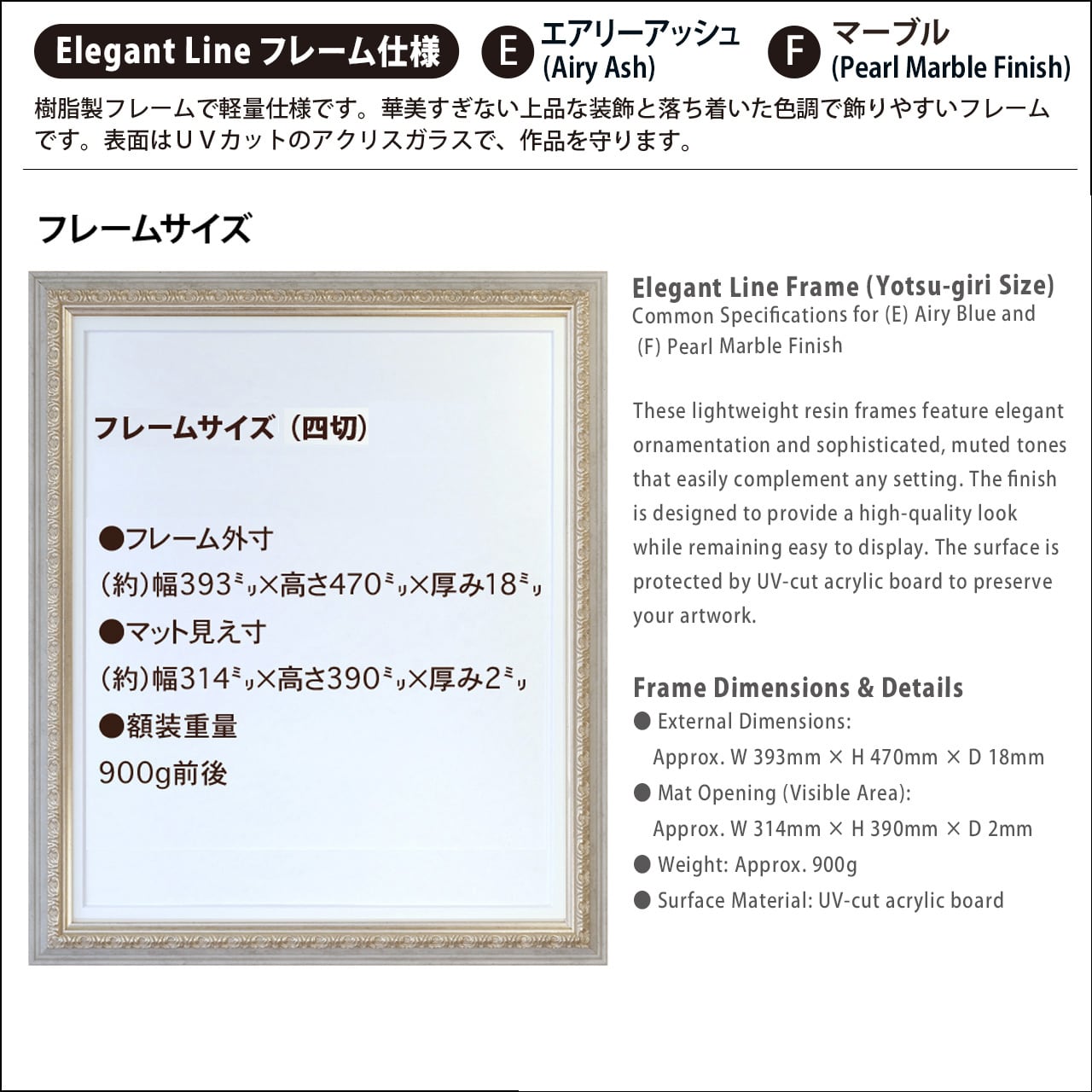
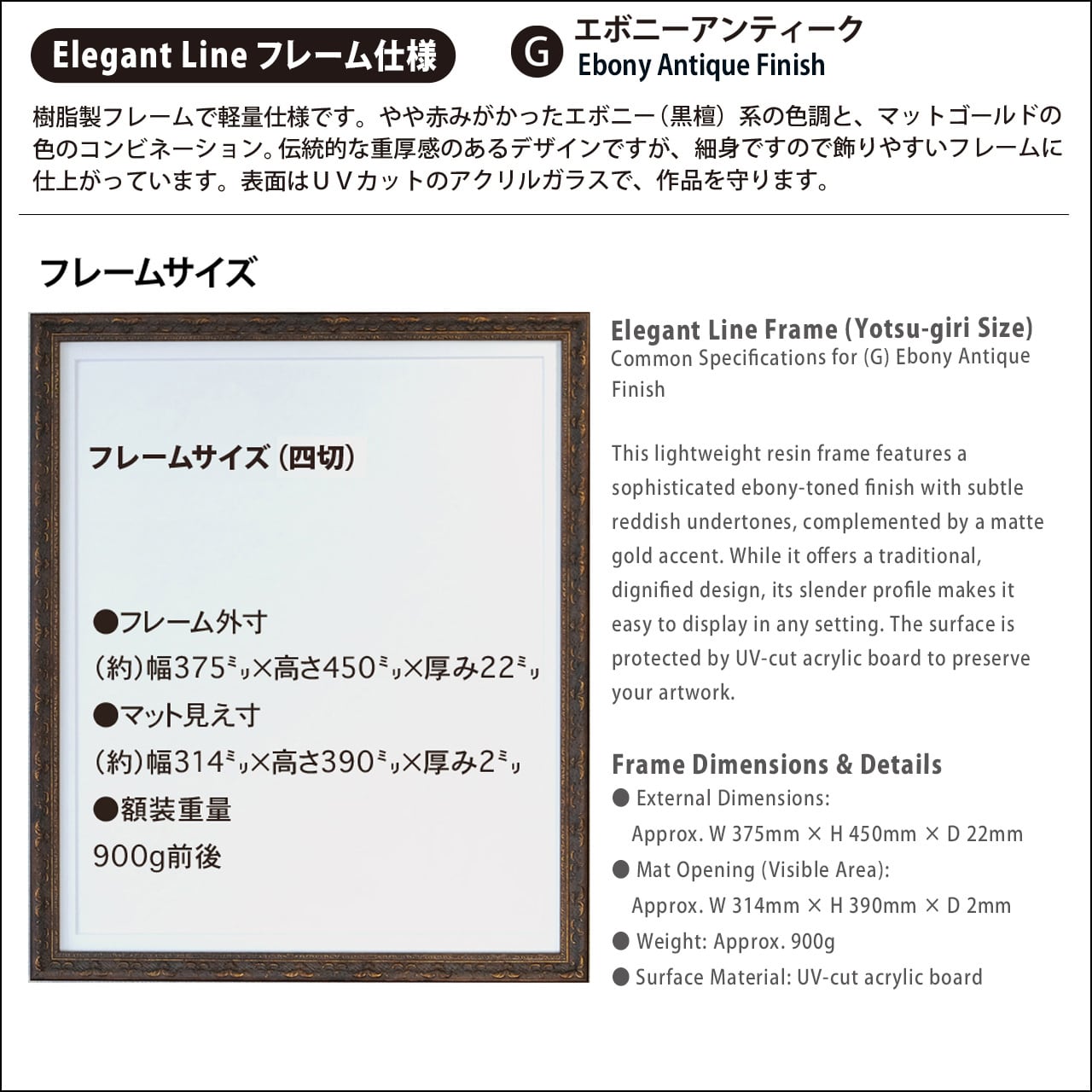
◉額縁/UVカットアクリルガラス、中性紙マット、吊元金具(額側)、吊紐、外箱
Framing: UV-protective acrylic glazing and acid-free mat board
Accessories: Hanging hardware (pre-installed), hanging cord
1842年から1844年頃、フレデリック・ショパンが32歳から34歳の時期に書いた《2つのノクターン Op.55》の第2曲として収められた作品です。第1曲 ヘ短調とともに、ジェーン・スターリング(Jane Wilhelmina Stirling, 1804–1859)に献呈されました。
スターリングは、スコットランド出身の女性で、1840年代にショパンからピアノの指導を受けました。ショパンの音楽を深く尊敬し、晩年の活動を支えた人物の一人として知られています。
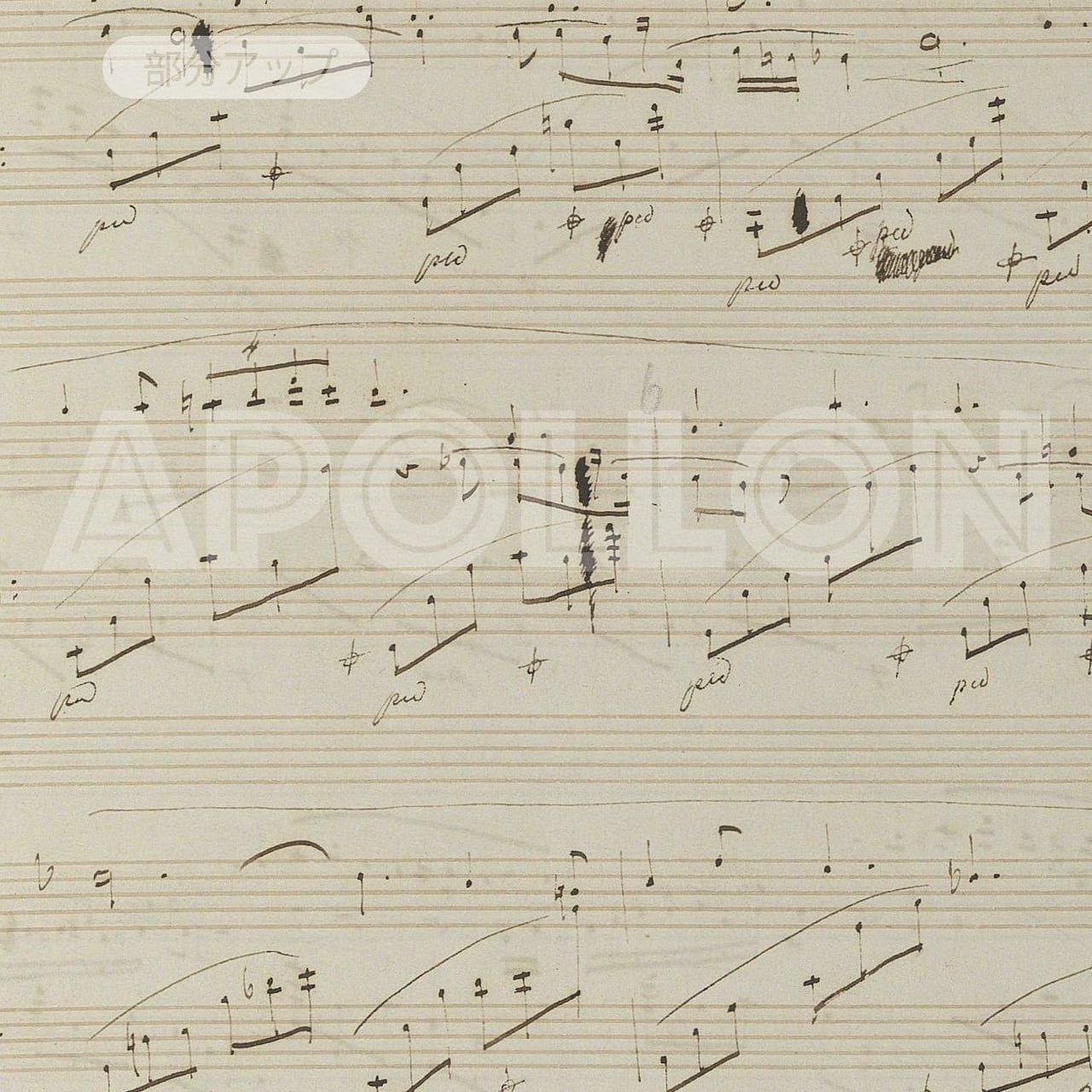
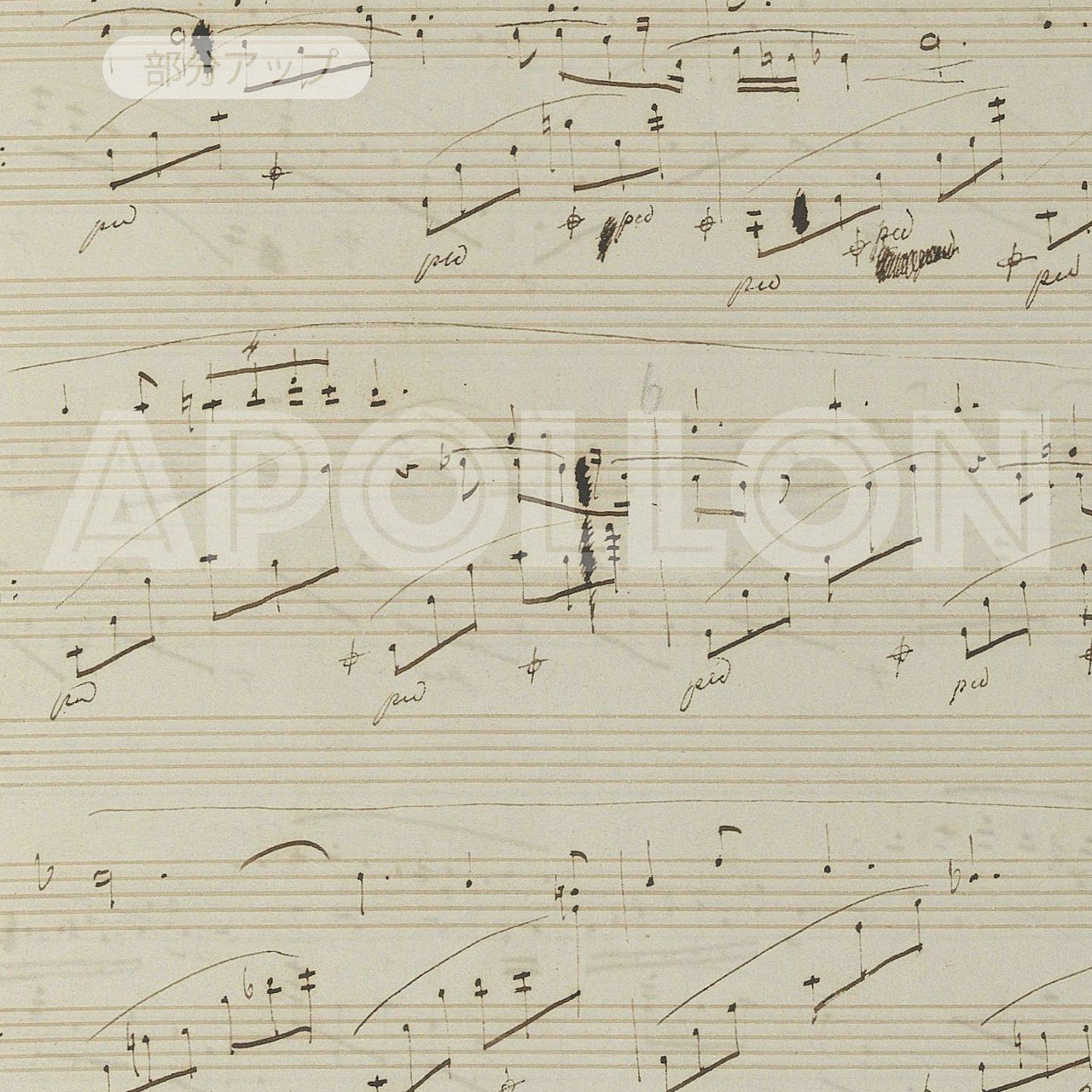
この自筆譜は、出版に向けて整えられた自筆原稿(Autograf edycyjny)として残されています。装飾音や表現に関する細かな指示、出版に向けた修正の跡も残されており、ショパン自身が作品をどのような形で世に届けようとしていたのかを伝える資料ではないでしょうか。
ノクターン(夜想曲)は、19世紀初頭に生まれたピアノ小品のジャンルで、歌うような旋律と繊細な表情を持つ作品として発展しました。アイルランド出身の作曲家ジョン・フィールドによって確立されたこの形式を、ショパンは独自の和声や旋律の豊かさによってさらに発展させ、多くの人々に愛される音楽へと導きました。
第2曲 変ホ長調では、第1曲 ヘ短調の持つ深い陰影とは異なり、より伸びやかに歌う旋律の美しさが感じられます。しかし、穏やかな表情の中にも細やかな装飾や和声の変化が織り込まれ、単純な明るさだけでは表現できない繊細な奥行きを持つ作品ではないでしょうか。
右手の旋律は歌声のように自由に流れ、左手の伴奏はその響きを包み込むように支えています。ショパンがピアノという楽器の中に、声楽的な表現の可能性を求めていたことを思わせる作品ではないでしょうか。
1844年7月、この自筆原稿はライプツィヒの出版社 Breitkopf & Härtel へ送られました。同社は当時、ヨーロッパを代表する音楽出版社のひとつで、多くの作曲家の作品を世に送り出していました。
第1曲とは異なる表情を持ちながら、《2つのノクターン Op.55》を形づくるもう一つの美しい小品。ショパン自身の筆跡が残るこの自筆譜は、作品が出版へ向かう過程と、その音楽に込められた細やかな表現へのこだわりを伝える資料ではないでしょうか。
This work is the second piece of Two Nocturnes, Op. 55, composed around 1842–1844, when Frédéric Chopin was between the ages of 32 and 34. Together with the first Nocturne in F minor, it was dedicated to Jane Wilhelmina Stirling (1804–1859).
Stirling was a Scottish woman who received piano instruction from Chopin in the 1840s. She deeply admired Chopin’s music and is known as one of the people who supported him during the later years of his artistic life.
This manuscript survives as an Autograf edycyjny—an autograph manuscript prepared for publication. It contains detailed markings concerning ornaments and expression, as well as revisions made in preparation for printing, offering insight into how Chopin himself sought to present this work to the world.
The nocturne is a genre of short piano pieces that emerged in the early 19th century and developed with lyrical melodies and delicate expressive qualities. Established by the Irish composer John Field, this form was further expanded by Chopin through his distinctive harmony and rich melodic expression, leading it to become music cherished by many listeners.
In the second Nocturne in E-flat major, unlike the profound shadows found in the first Nocturne in F minor, the beauty of a more expansive and singing melody comes to the forefront. Yet beneath its calm and graceful surface, subtle ornaments and harmonic changes are woven throughout, creating a depth of expression that cannot be described simply as brightness or serenity.
The right-hand melody flows freely like a human voice, while the left-hand accompaniment gently supports and embraces its resonance. This work suggests Chopin’s pursuit of the expressive possibilities of the piano as an instrument capable of achieving a vocal quality.
In July 1844, this autograph manuscript was sent to the Leipzig publishing house Breitkopf & Härtel, one of the leading music publishers in Europe at the time, responsible for bringing the works of many composers to the public.
With a character distinct from the first Nocturne, this work forms the other half of Two Nocturnes, Op. 55. Preserving Chopin’s own handwriting, this autograph manuscript conveys both the process by which the work moved toward publication and the composer’s meticulous attention to expressive detail.
※Pay IDからご覧の方は下記URL(当店サイト)に
額の色目、仕様等、詳しく載っていますので、ぜひご確認下さい。
https://apollon.kooki-museum.com
<商品画像と実物の色味について>
商品の色味については、できる限り実物に近づけるよう調整を行っておりますが、お使いのモニター設定や機種、お部屋の照明環境によっても、実際の商品と異なって見える場合がございます。また、所蔵機関のスキャニングデータに基づくため、オリジナルの自筆譜と色味が異なることもございます。あらかじめご理解いただきますようお願い申し上げます。なお、一部の作品には、裏写り(裏面の楽譜の透け)、経年によるシミ、または原資料の修復に由来する痕跡が見られる場合がありますが、これは所蔵先のスキャニングデータに起因するもので、原稿の忠実な再現です。
<Important Notes on Color & Appearance>
Color Consistency:The actual color may vary depending on your monitor settings or room lighting. As these prints are based on official institutional scans, minor color variations from the original manuscript may occur.
<Image Detail & Historical Authenticity>
Some prints may show "bleed-through" (musical notation from the reverse side), authentic age spots, or visible restoration marks from the original source. These are not defects, but a faithful reproduction of the original historical manuscript, preserved to maintain its archival character.
▼【Reference】
YouTube Channel: ArRubMusic
-
 クララ・シューマン:ピアノとヴァイオリンのための3つのロマンス 第1曲 Op.22-1/Schumann, Clara: Drei Romanzen, Op. 22, Nr. 1: Andante molto¥14,630 ($92.48)
 -
 クララ・シューマン:6つの歌 より「僕は暗い夢の中にいた」Op. 13, Nr. 1/Clara Schumann:6 Lieder, Op. 13, Nr. 1 „Ich stand in dunklen Träumen“¥14,630 ($92.48)
 -
 クララ・シューマン:ピアノのための3つのロマンス 第1曲 Op. 21-1/Clara Schumann:Drei Romanzen für Klavier Op. 21 Nr. 1 (Widmung an Robert Schumann)¥14,630 ($92.48)