


ヴィヴァルディ:弦楽のためのシンフォニア ト長調 RV 146/Vivaldi: Sinfonia in G-Dur, RV 146
¥14,630 ($92.68)
Vivaldi, Antonio (1678–1741)
Sinfonia in G-Dur, RV 146
《商品説明》 Product Specifications
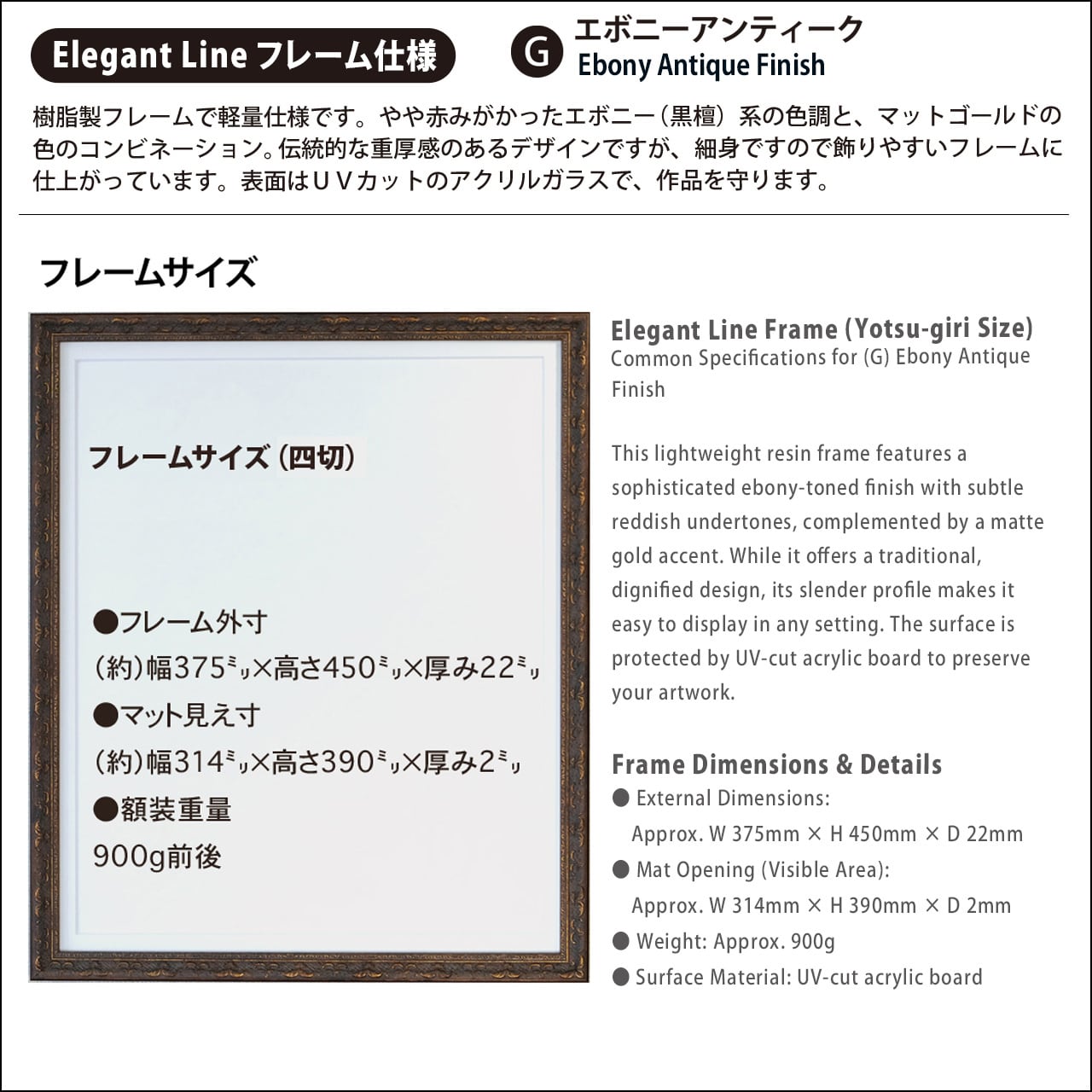
◉プリントタイプ/高精細ジークレープリント
Print Type: High-definition Giclée print
◉出力紙/ドイツ製ハーネミューレ ファイン・アート紙(アシッドフリー)
Paper: Hahnemühle Fine Art Paper (Made in Germany, Acid-free)
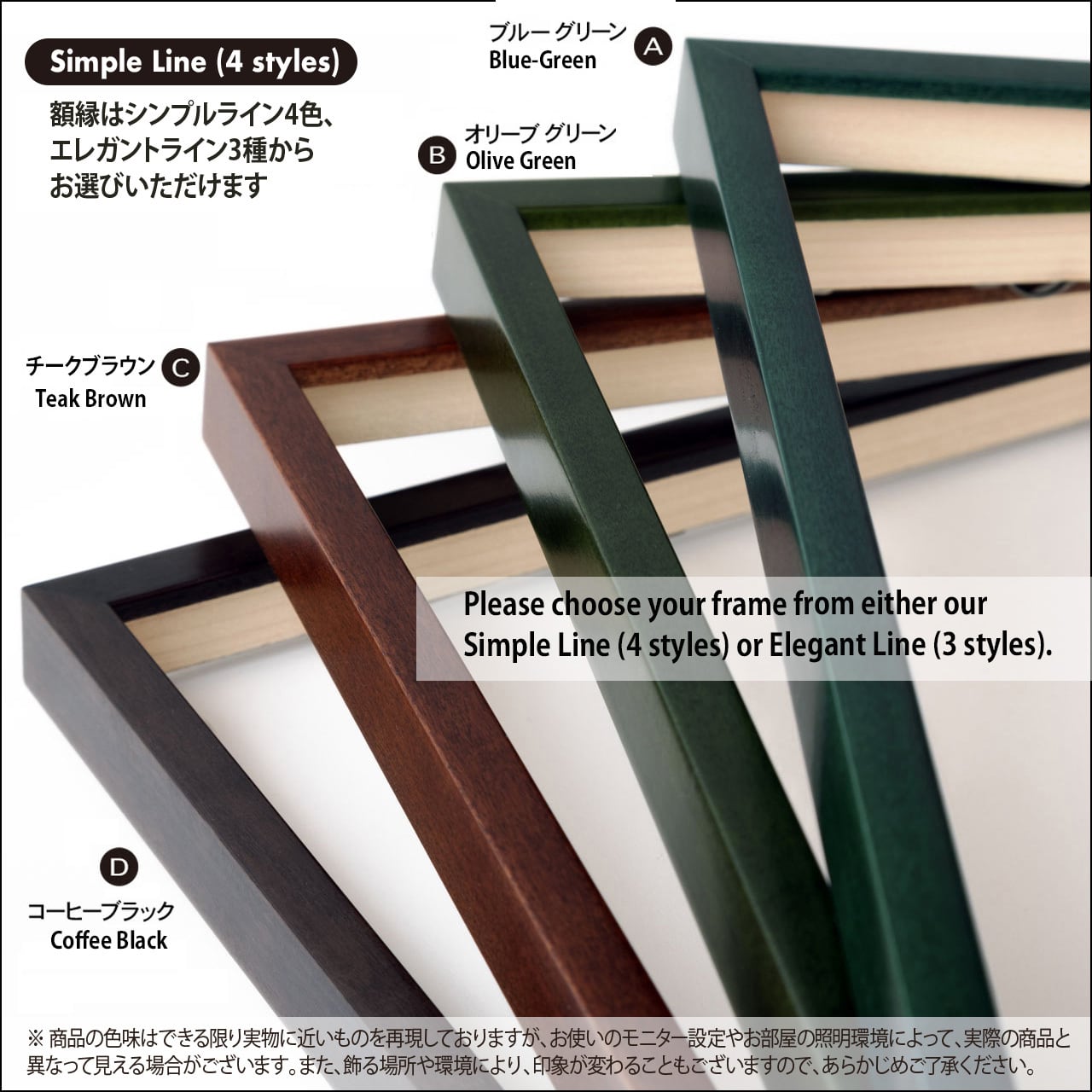
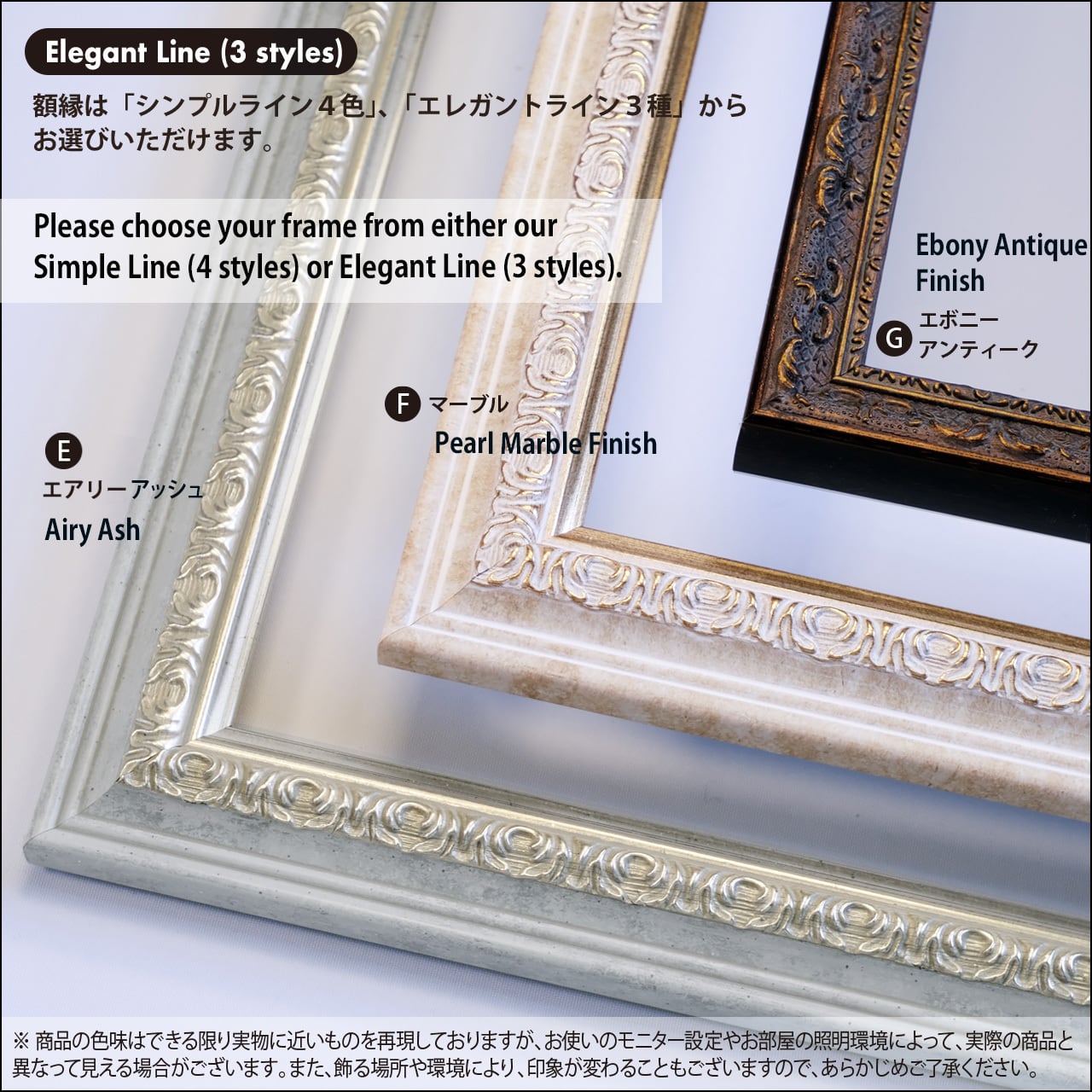
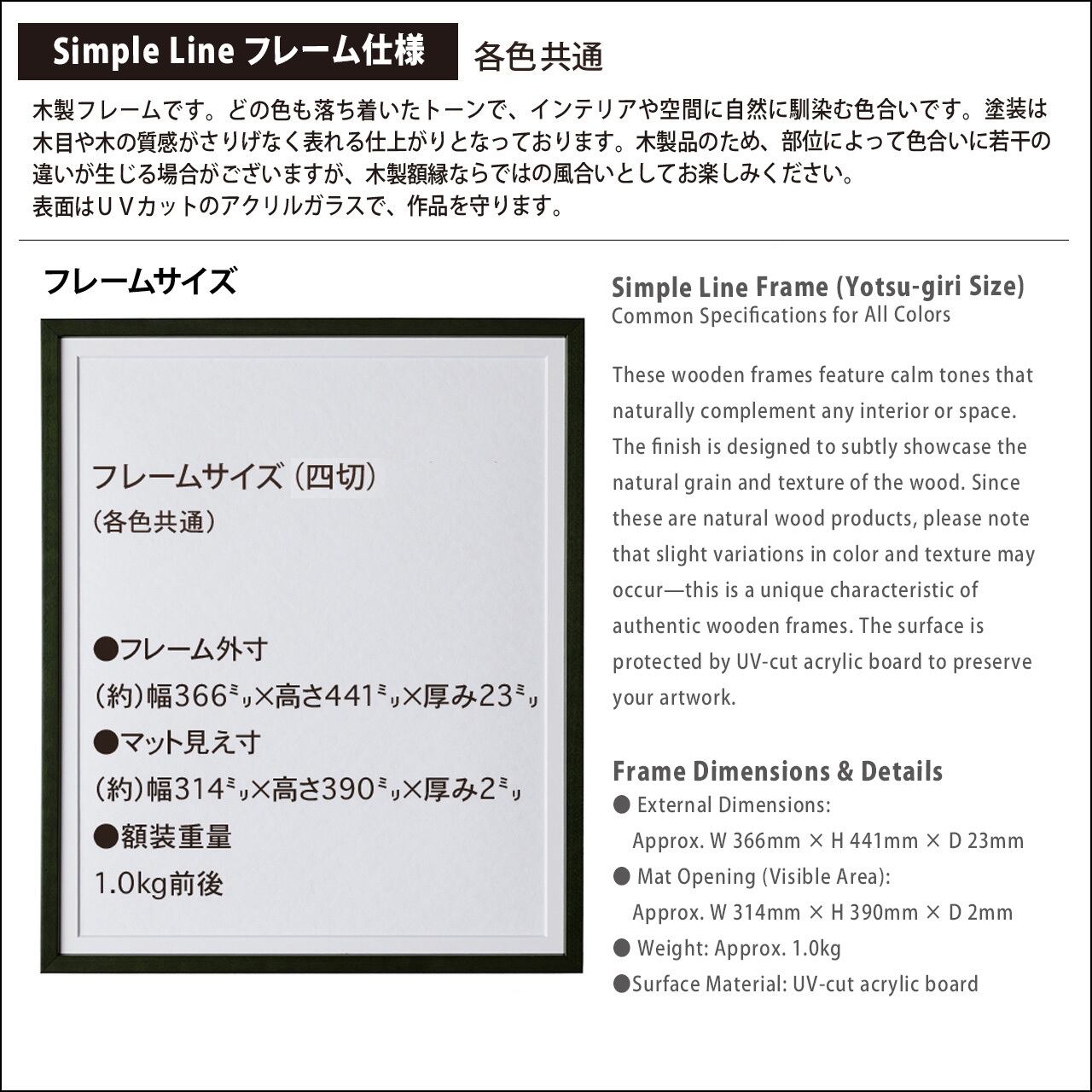
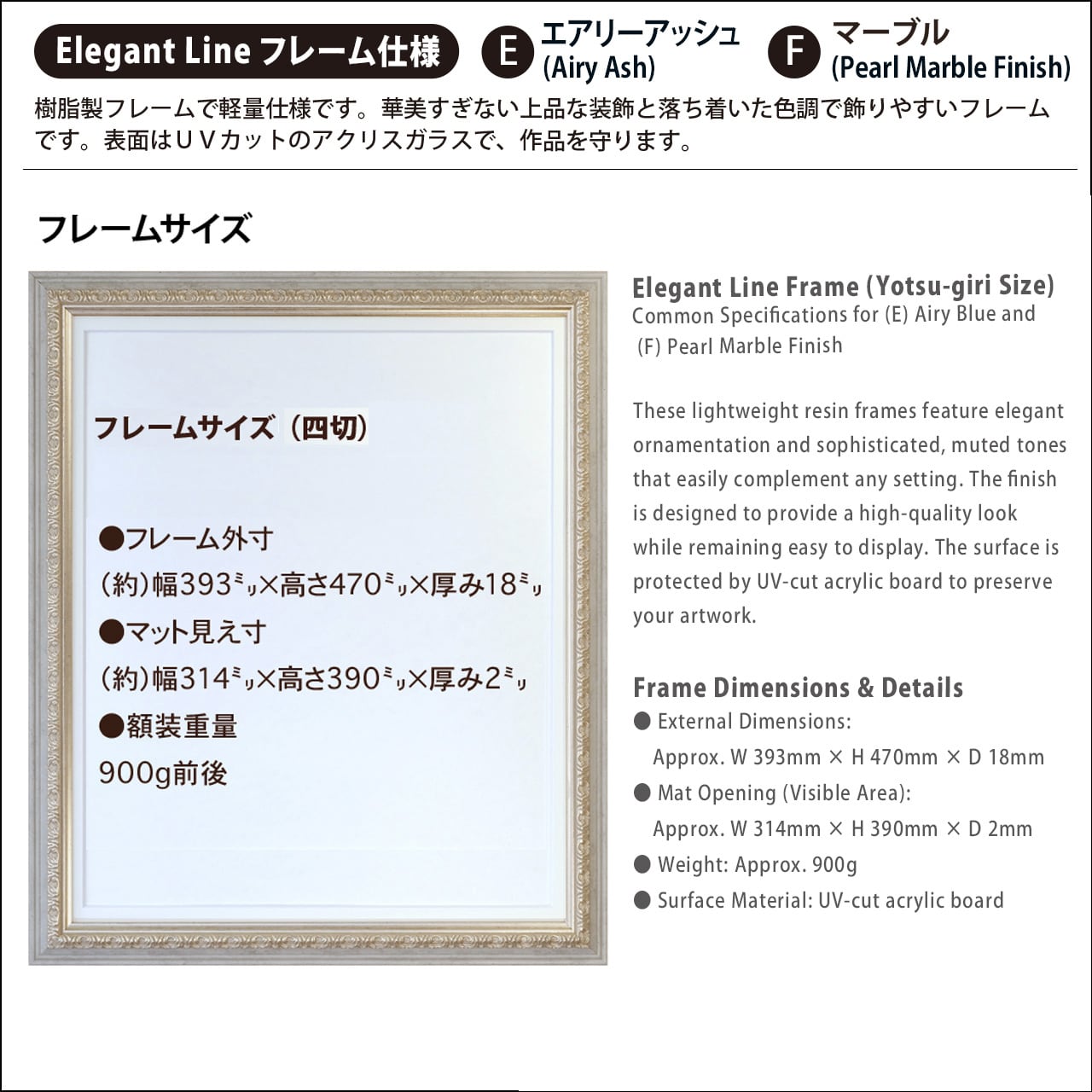
◉額縁/UVカットアクリルガラス、中性紙マット、吊元金具(額側)、吊紐、外箱
Framing: UV-protective acrylic glazing and acid-free mat
Accessories: Hanging hardware (pre-installed), hanging cord
バロック音楽を代表する作曲家アントニオ・ヴィヴァルディ(1678–1741)。
7歳年下で同時代に活躍したJ.S.バッハ(1685–1750)が、教会音楽を中心に緻密な構造と深い精神性を追求した一方で、ヴィヴァルディはヴェネツィアを舞台に、旋律の美しさとリズムの躍動感に満ちた数多くの器楽作品を生み出しました。
もちろん両者とも宗教曲・世俗曲の双方を手がけていますが、その音楽には、それぞれの活動の場と美学を反映した異なる魅力があります。
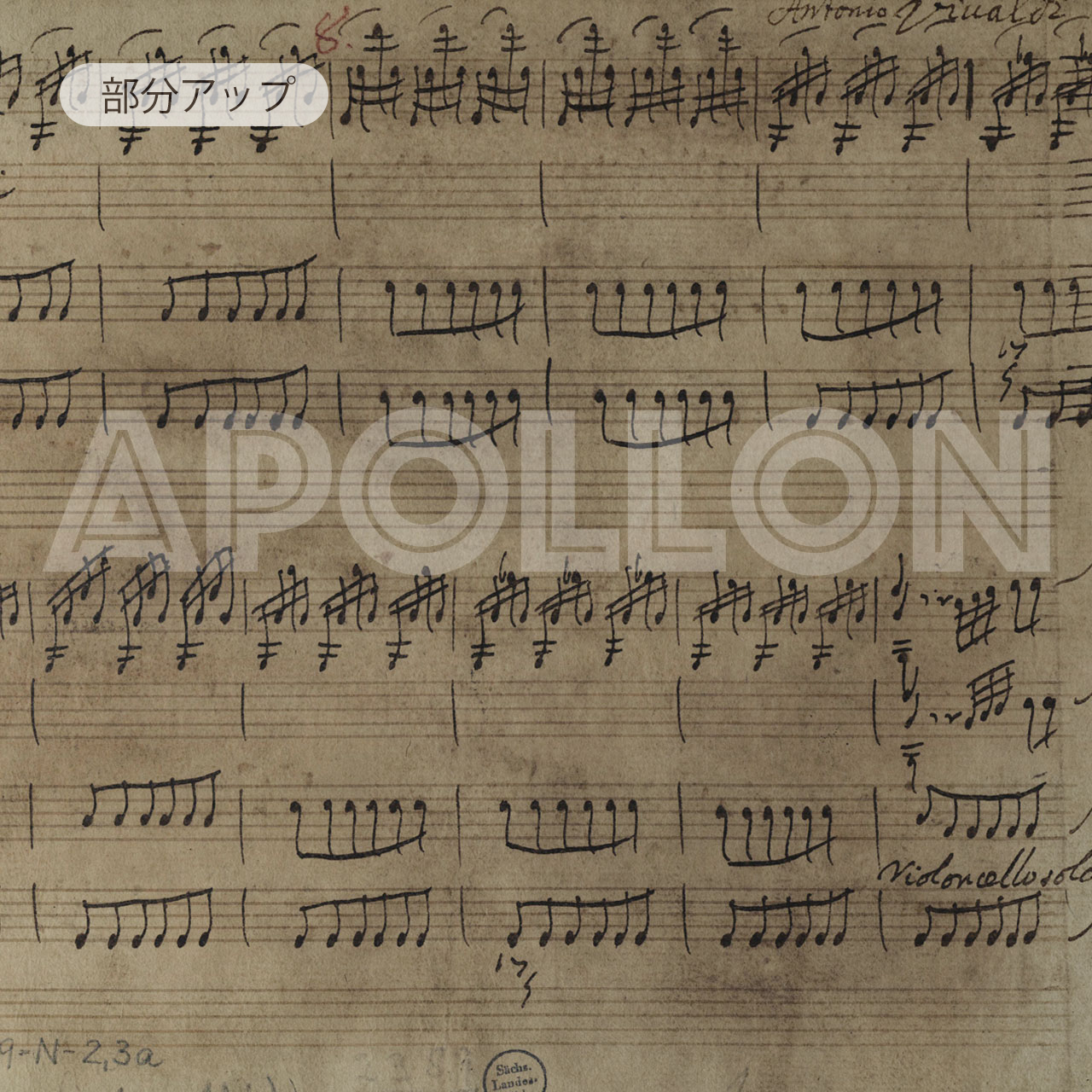
この自筆譜は、ヴィヴァルディの《シンフォニア ト長調 RV 146》の総譜です。
当時の「シンフォニア」は、現代の「交響曲」とは異なり、オペラや宗教作品などの序奏として用いられる短い器楽曲を指すことが多く、独立した演奏作品としても楽しまれていました。
RV 146は、弦楽器を基盤に、通奏低音や木管楽器を加えた編成による器楽作品です。第1楽章「Allegro」、第2楽章「Vivace」、第3楽章「Allegro」から構成され、軽やかで伸びやかな旋律、明快なリズム、そしてヴィヴァルディらしい躍動感にあふれています。
自筆譜に残された音符の配置や筆の運びからは、単なる楽譜情報だけではなく、作曲家が音楽を形にしていった瞬間の息遣いを感じ取ることができます。
ヴィヴァルディは、長年指導を行ったヴェネツィアの孤児院兼音楽学校「Ospedale della Pietà(ピエタ慈善院)」のために、多くの協奏曲や器楽作品を作曲しました。そこでは才能ある少女たちが演奏技術を磨き、ヨーロッパ各地で高い評価を受ける演奏団体を形成していました。ヴィヴァルディは教育的な役割と芸術的な表現を結びつけながら、数多くの作品を生み出しました。
また、ヴィヴァルディの器楽作品はヴェネツィアの演奏文化を超えて広まり、ヨーロッパ各地の音楽家たちに影響を与えました。その協奏曲様式はJ.S.バッハにも注目され、バッハはヴィヴァルディの作品を研究し、自身の音楽表現へ取り入れています。
この自筆譜が現在ドレスデンに伝わっていることは、ヴィヴァルディの音楽がヴェネツィアを越えて、18世紀ヨーロッパの音楽文化の中で受け入れられていたことを示す貴重な資料のひとつと言えるのではないでしょうか。
ドレスデン宮廷楽団のコレクションには、多くのイタリア音楽資料が含まれており、この楽譜もまた、バロック時代における国境を越えた音楽交流の証のひとつです。
約300年前、ヴィヴァルディ自身の時代に記されたこの自筆譜には、バロック音楽の躍動と、作曲家の手による創造の軌跡が刻まれています。
A Vivid Voice of the Baroque Era
Antonio Vivaldi (1678–1741) stands among the greatest composers of the Baroque era.
While Johann Sebastian Bach (1685–1750), seven years his junior and his contemporary, pursued intricate structures and profound expression mainly through church music, Vivaldi created numerous instrumental works characterized by melodic beauty, rhythmic vitality, and dramatic energy in the musical world of Venice.
Of course, both composers wrote sacred and secular music, yet their works reveal distinct qualities shaped by their environments and artistic ideals.
This autograph manuscript is the score of Vivaldi’s Sinfonia in G major, RV 146.
During Vivaldi’s time, the term “sinfonia” referred not to the modern symphony, but generally to a short instrumental work often used as an introduction to operas or sacred compositions. Such works could also be performed independently.
RV 146 is an instrumental work featuring strings, basso continuo, and woodwinds. Consisting of three movements—Allegro, Vivace, and Allegro—it displays Vivaldi’s characteristic qualities: graceful melodies, clear rhythmic vitality, and a strong sense of musical movement.
The placement of notes and the flow of the handwritten lines preserved in this autograph manuscript reveal not only the musical content, but also the physical gesture of the composer as he shaped his music on paper.
Vivaldi composed many concertos and instrumental works for the Ospedale della Pietà in Venice, where he served for many years. The talented young women of the institution received musical training and formed an ensemble that gained a high reputation throughout Europe. Vivaldi created works that combined educational purpose with extraordinary artistic expression.
Vivaldi’s instrumental music spread beyond Venice and influenced musicians throughout Europe. His concerto style attracted the attention of J. S. Bach, who studied Vivaldi’s works and incorporated elements of his musical language into his own compositions.
The preservation of this autograph manuscript in Dresden is one valuable example of how Vivaldi’s music transcended Venice and was received within the musical culture of eighteenth-century Europe. The Dresden court orchestra collection contains many Italian music manuscripts, and this manuscript also represents the international exchange of music during the Baroque era.
Written approximately 300 years ago, this autograph manuscript preserves both the vibrant spirit of the Baroque era and the creative trace of Vivaldi’s own hand.
※Pay IDからご覧の方は下記URL(当店サイト)に
額の色目、仕様等、詳しく載っていますので、ぜひご確認下さい。
https://apollon.kooki-museum.com
<商品画像と実物の色味について>
商品の色味については、できる限り実物に近づけるよう調整を行っておりますが、お使いのモニター設定や機種、お部屋の照明環境によっても、実際の商品と異なって見える場合がございます。また、所蔵機関のスキャニングデータに基づくため、オリジナルの自筆譜と色味が異なることもございます。あらかじめご理解いただきますようお願い申し上げます。なお、一部の作品には、裏写り(裏面の楽譜の透け)、経年によるシミ、または原資料の修復に由来する痕跡が見られる場合がありますが、これは所蔵先のスキャニングデータに起因するもので、原稿の忠実な再現です。
<Important Notes on Color & Appearance>
Color Consistency:The actual color may vary depending on your monitor settings or room lighting. As these prints are based on official institutional scans, minor color variations from the original manuscript may occur.
<Image Detail & Historical Authenticity>
Some prints may show "bleed-through" (musical notation from the reverse side), authentic age spots, or visible restoration marks from the original source. These are not defects, but a faithful reproduction of the original historical manuscript, preserved to maintain its archival character.
▼【Reference】
YouTube Channel:forye
-
 J.S.バッハ:《平均律クラヴィーア曲集 第1巻》第1番 プレリュードとフーガ ハ長調 BWV 846【額縁サイズ:四切版(別バリエーション有)】/J.S.Bach : Präludium und Fuge Nr. 1 in C-Dur, BWV 846 aus „Das Wohltemperierte Klavier“, Teil I (Standard Size Version)¥14,630 ($92.68)
 -
 J.S.Bach:ガヴォット〜無伴奏ヴァイオリン・パルティータ第3番より〜【額縁サイズ:四切版(別バリエーション有)】/J.S. Bach: Gavotte en Rondeau, BWV 1006 (Standard Size Version)¥14,630 ($92.68)
 -
 J.S.Bach:ガヴォット〜無伴奏ヴァイオリン・パルティータ第3番より〜【額縁サイズ:大衣版(別バリエーション有)】/J.S. Bach: Gavotte en Rondeau, BWV 1006 (Large Size Version)¥16,830 ($106.62)