


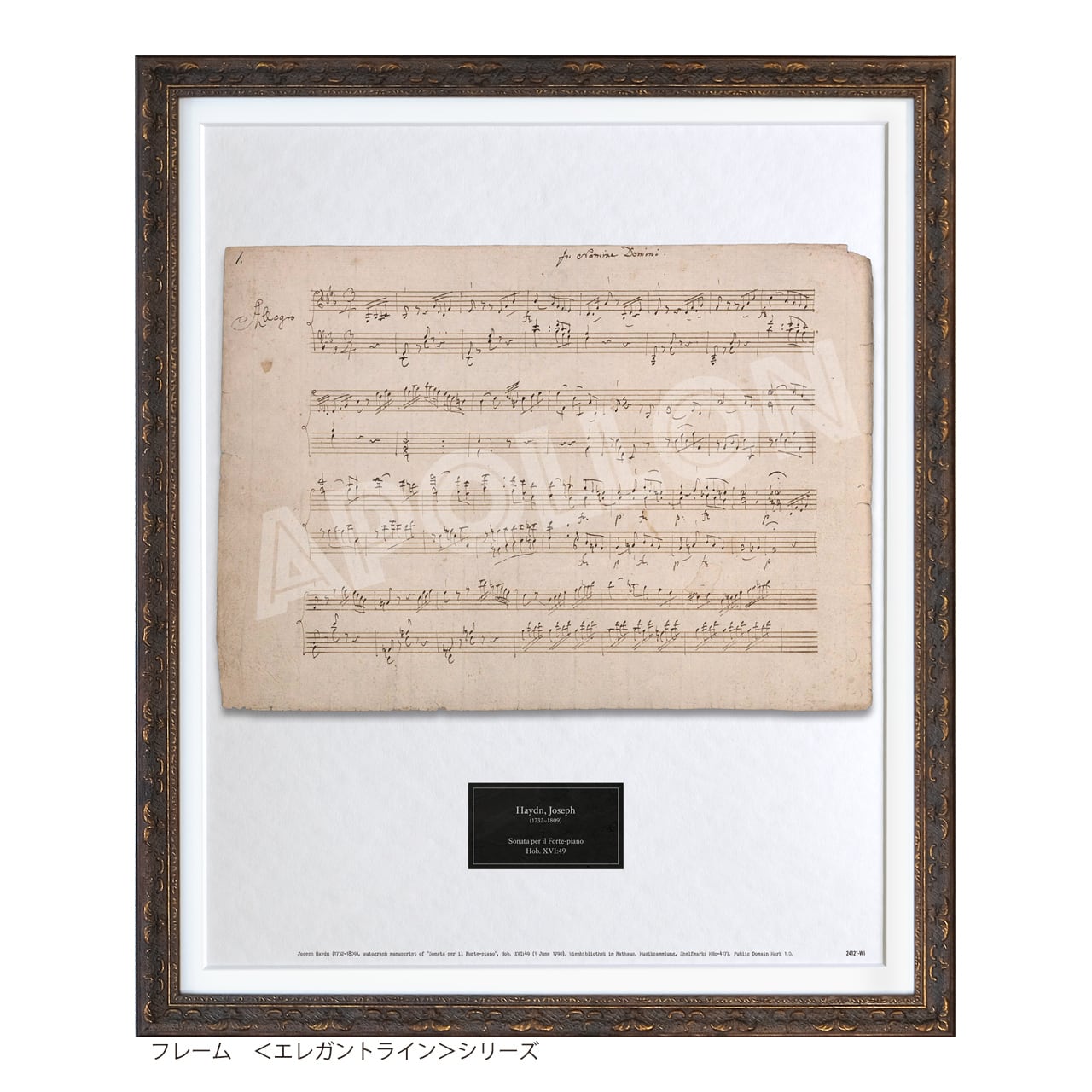
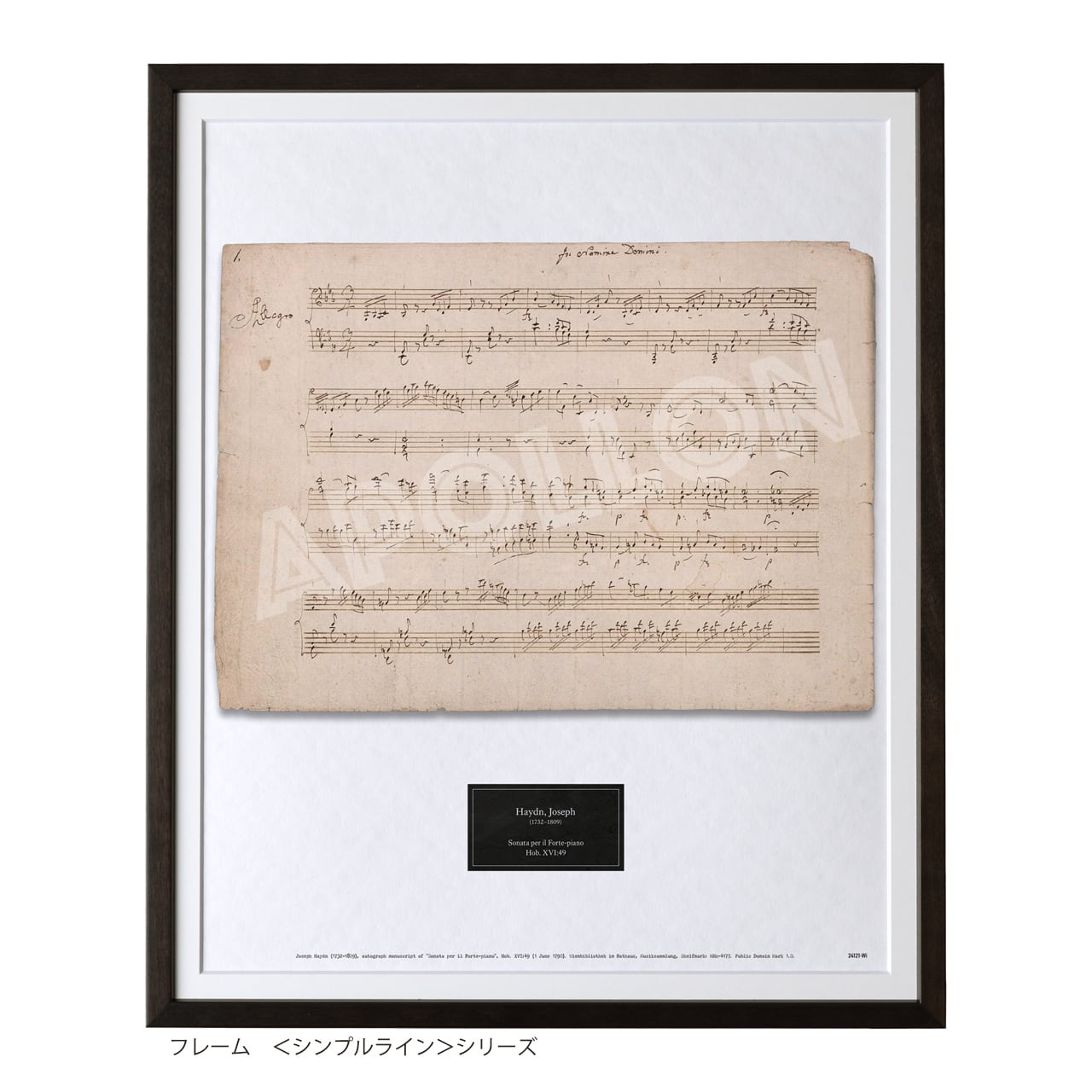

ハイドン:ピアノ・ソナタ 第49番 変ホ長調 Hob. XVI:49(ウィーン原典版:第59番)/ Haydn: Piano Sonata in E-flat major, Hob. XVI:49
¥14,630 ($92.48)
Haydn, Joseph (1732–1809)
Sonata per il Forte-piano
(Piano Sonata in E-flat major)
Hob. XVI:49
《商品説明》 Product Specifications
◉プリントタイプ/高精細ジークレープリント
Print Type: High-definition Giclée print
◉出力紙/ドイツ製ハーネミューレ ファイン・アート紙(アシッドフリー)
Paper: Hahnemühle Fine Art Paper (Made in Germany, Acid-free)
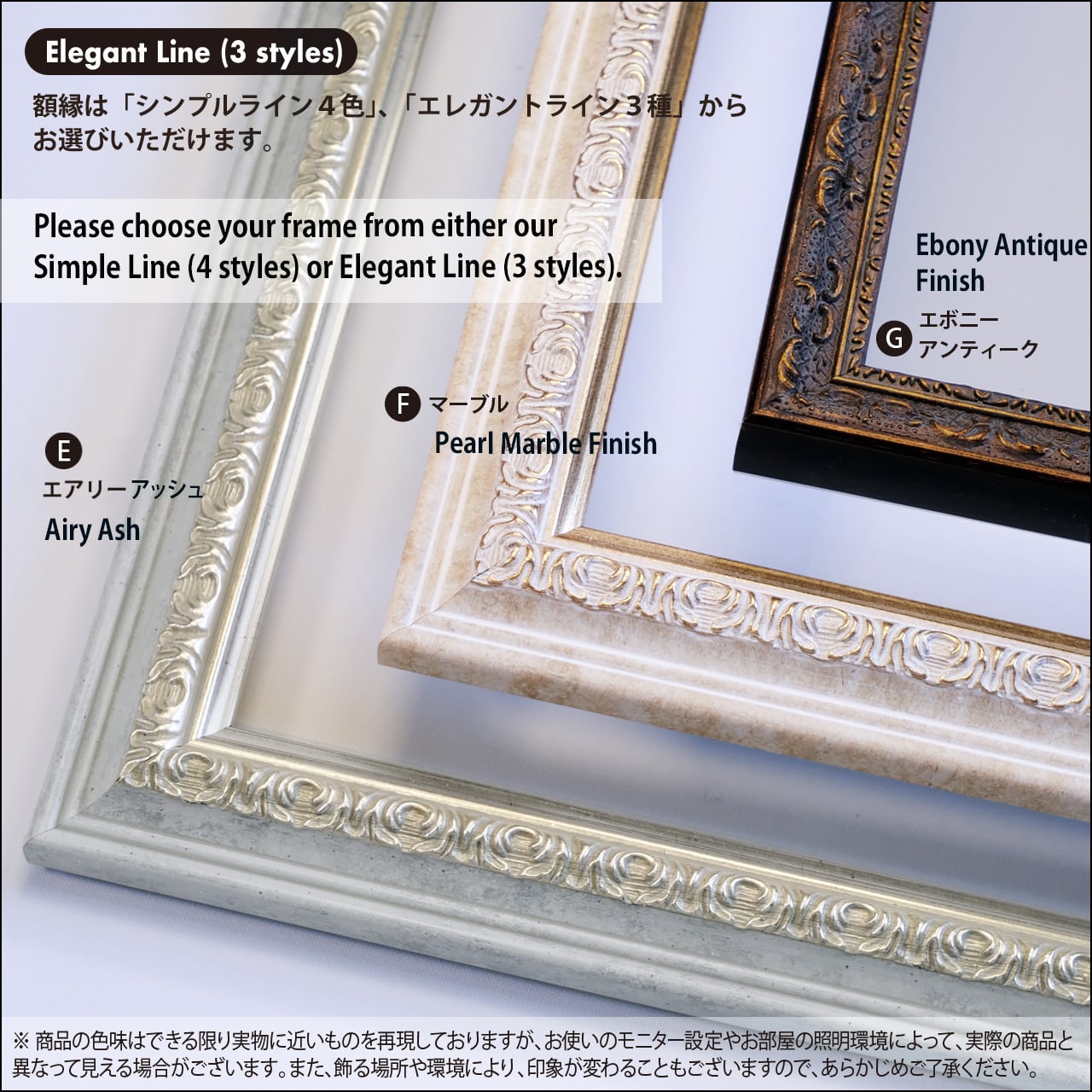
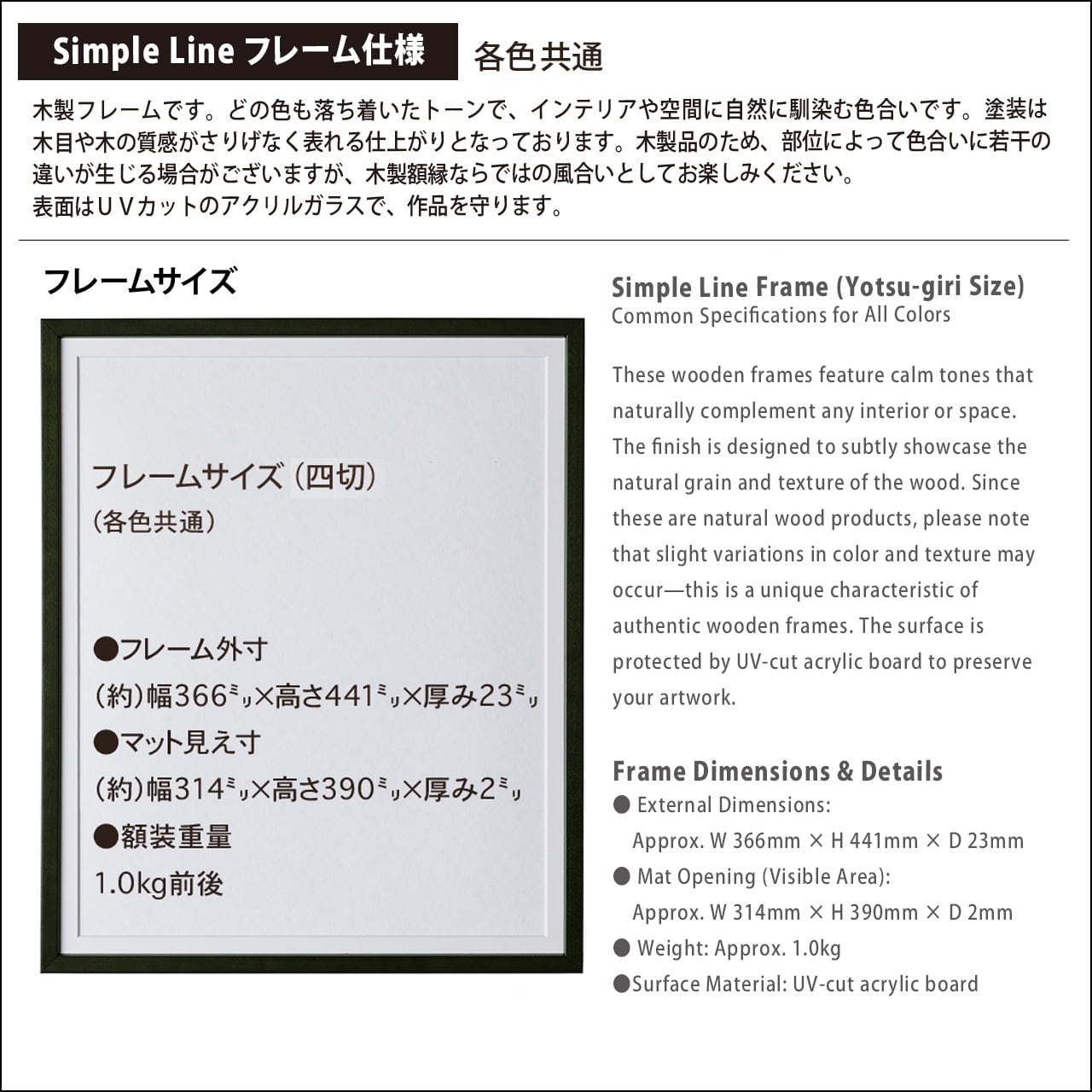
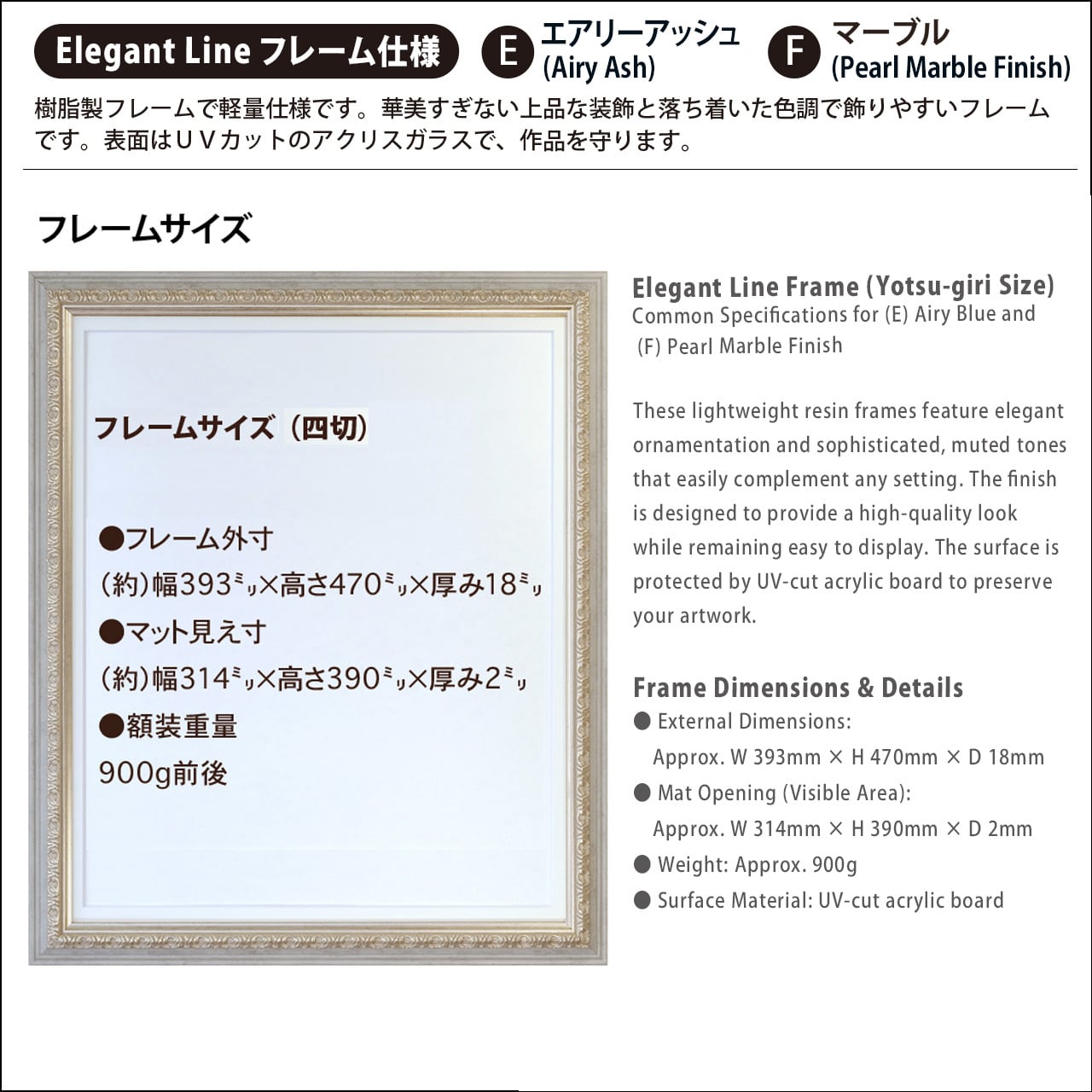
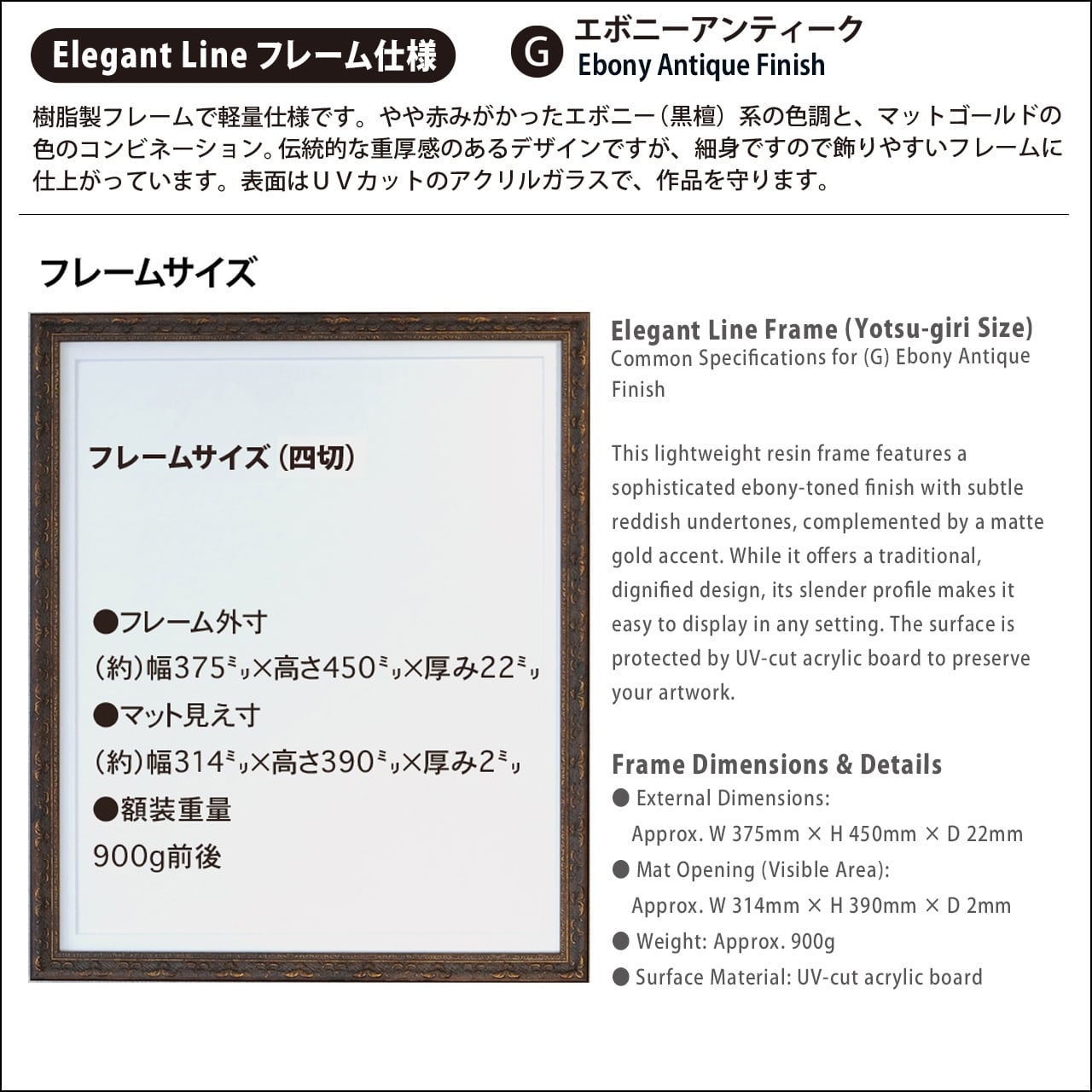
◉額縁/UVカットアクリルガラス、中性紙マット、吊元金具(額側)、吊紐、外箱
Framing: UV-protective acrylic and acid-free mat
Accessories: Hanging hardware (pre-installed), hanging cord
1790年6月1日。ハイドンは、この自筆譜の表紙に静かにペンを走らせました。
まず記されたのは、《Sonata per il Forte-piano》というイタリア語の作品名です。その下には、「composta da me Giuseppe Haydn(私、ジュゼッペ・ハイドンが作曲した)」という一文が添えられています。ハイドン自らが書き記したその文字は、230年以上の時を経た今も、当時の息づかいをそのまま伝えてくれるようです。
「最も敬愛するアンナ・マリア・フォン・ゲルビシェク夫人へ」との献辞も添えられています。献呈を受けた人物について詳しいことは、現在ではほとんど分かっていません。しかし、この一文からは、この自筆譜が敬意と感謝を込めて、一人の相手のために丁寧に清書されたことが伝わってきます。18世紀のヨーロッパでは、新しい作品を特定の人物へ献呈することは、ごく自然な慣習でした。
この自筆譜が書かれた1790年は、ハイドンにとって大きな転機となる年でもありました。
30年以上にわたり音楽家として仕えてきたエステルハージ家は、現在のオーストリアとハンガリーにまたがる広大な領地を有した名門貴族でした。しかし1790年、当主ニコラウス1世の死去により、後を継いだ当主は宮廷の音楽活動を大幅に縮小しました。こうした変化の中で、翌1791年、ハイドンはロンドンの興行主ヨハン・ペーター・サロモンの招きを受けてイギリスへ渡ります。ロンドンでは新作の交響曲が熱烈に迎えられ、その成功によってハイドンの名声はヨーロッパ中へと広がりました。このソナタは、その新たな活躍の場へ踏み出す直前に書き上げられた作品です。
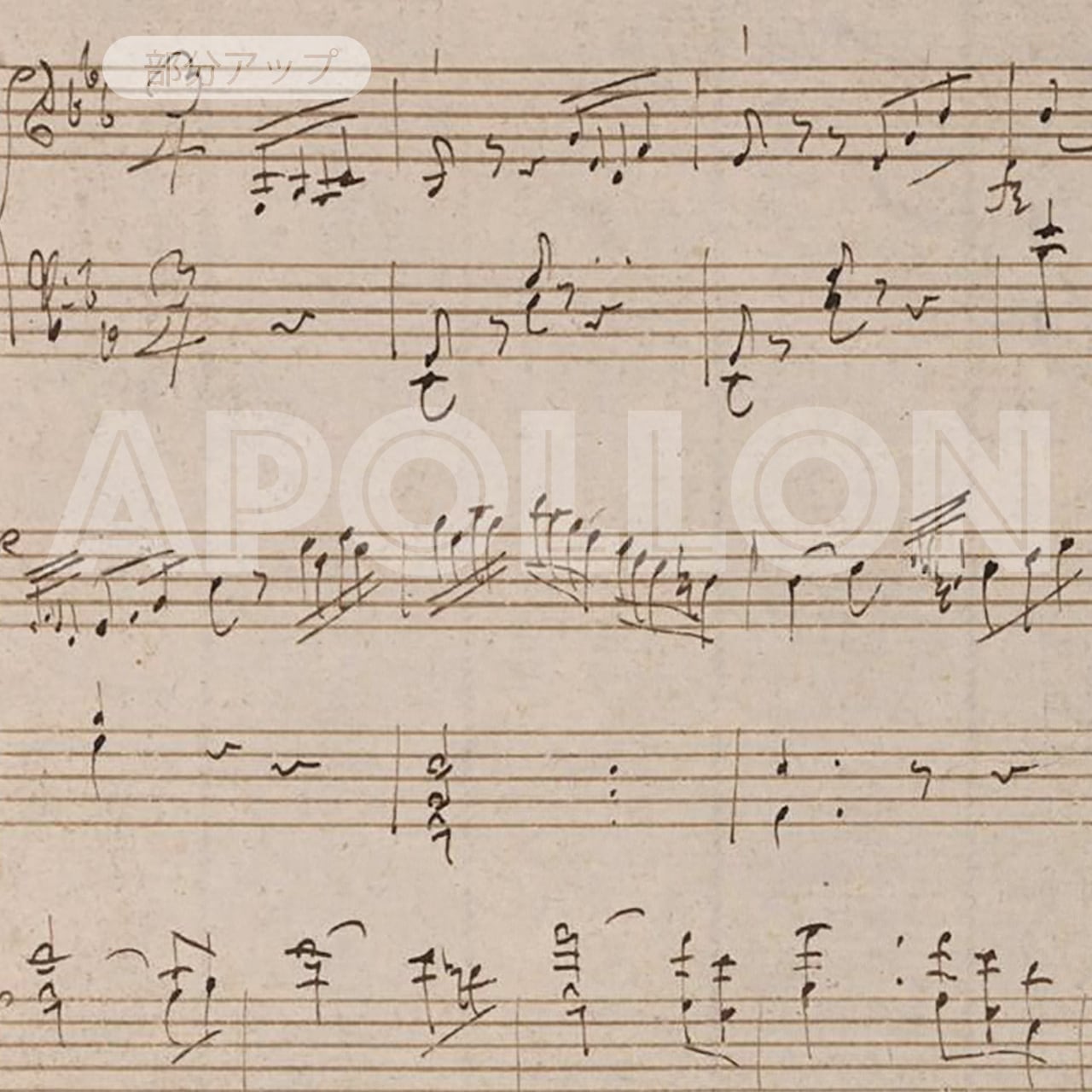
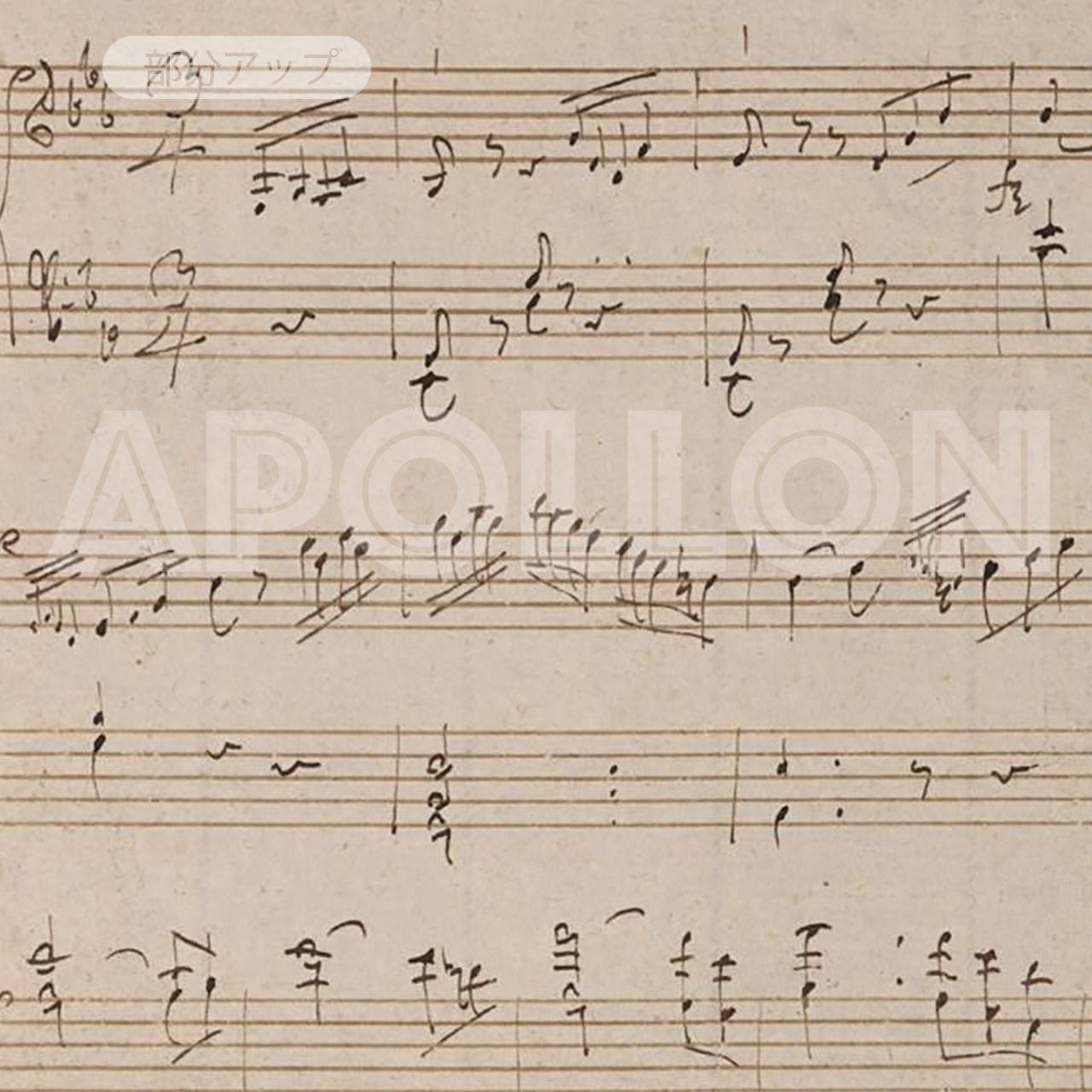
ここに残されているのは、作曲の途中を書き留めた草稿ではなく、完成した姿を書き整えた「清書(Reinschrift)」です。端正に並ぶ音符や五線、作品名、署名、そして献辞。その一つひとつからは、一冊の作品を大切に仕上げようとするハイドンの実直な仕事ぶりが静かにうかがえます。
On 1 June 1790, Haydn quietly set pen to the title page of this autograph manuscript.
The first words he wrote were the Italian title, Sonata per il Forte-piano. Beneath it appears the inscription, composta da me Giuseppe Haydn (“composed by me, Giuseppe Haydn”). Written in Haydn's own hand, these words still seem to convey the living presence of the composer more than 230 years later.
The manuscript also bears the dedication, “Per la Stimatissima Signora Anna de Jerbischeck” (“To the Most Esteemed Mrs. Anna Maria von Gerbischek”). Very little is known today about the woman to whom this manuscript was dedicated. Even so, these few words suggest that this fair copy was prepared with genuine respect and gratitude for a particular recipient. In eighteenth-century Europe, dedicating a newly composed work to an individual patron or admirer was a common and well-established custom.
The year 1790, when this manuscript was written, marked a major turning point in Haydn's life. For more than thirty years he had served the Esterházy family, one of the great aristocratic houses whose estates extended across what are now Austria and Hungary. In 1790, however, the death of Prince Nikolaus I brought significant change. His successor greatly reduced musical activities at the Esterházy court. Against this changing background, Haydn accepted an invitation from the London impresario Johann Peter Salomon and travelled to England the following year. His new symphonies were enthusiastically received in London, and their success established his reputation throughout Europe. This sonata was completed just before Haydn embarked on this remarkable new chapter of his career.
What survives here is not a working draft, but a carefully prepared fair copy (Reinschrift). The elegantly written staves, the title, the signature, and the dedication all quietly reflect Haydn's meticulous craftsmanship and the care with which he brought this manuscript to its finished form.
※Pay IDからご覧の方は下記URL(当店サイト)に
額の色目、仕様等、詳しく載っていますので、ぜひご確認下さい。
https://apollon.kooki-museum.com
<参考>
表紙には、《Sonata per il Forte-piano》のイタリア語のタイトルに続き、『Composta da me Giuseppe Haydn(私、ジュゼッペ・ハイドンが作曲した)』、さらに『per la Stimatissima Signora Anna de Jerbischeck(最も敬愛するアンナ・デ・イェルビシェク夫人へ)』という献辞が、端正な筆致で記されています。

<商品画像と実物の色味について>
商品の色味については、できる限り実物に近づけるよう調整を行っておりますが、お使いのモニター設定や機種、お部屋の照明環境によっても、実際の商品と異なって見える場合がございます。また、所蔵機関のスキャニングデータに基づくため、オリジナルの自筆譜と色味が異なることもございます。あらかじめご理解いただきますようお願い申し上げます。なお、一部の作品には、裏写り(裏面の楽譜の透け)、経年によるシミ、または原資料の修復に由来する痕跡が見られる場合がありますが、これは所蔵先のスキャニングデータに起因するもので、原稿の忠実な再現です。
<Important Notes on Color & Appearance>
Color Consistency:The actual color may vary depending on your monitor settings or room lighting. As these prints are based on official institutional scans, minor color variations from the original manuscript may occur.
<Image Detail & Historical Authenticity>
Some prints may show "bleed-through" (musical notation from the reverse side), authentic age spots, or visible restoration marks from the original source. These are not defects, but a faithful reproduction of the original historical manuscript, preserved to maintain its archival character.
▼【Reference】
YouTube Channel:PapaHaydn
-
 ハイドン:ロンドントリオ 第3番 Hob.IV:3/Haydn: Divertimento in G-Dur, Hob. IV:3 “London Trio No. 3”¥14,630 ($92.48)
 -
 ハイドン:交響曲 第101番 『時計』〜第2楽章/Haydn:Sinfonie Nr. 101 in D-Dur, Hob. I:101 "The Clock" – II. Andante¥14,630 ($92.48)
 -
 ハイドン:皇帝讃歌(神よ、皇帝フランツを守り給え)」/Haydn:"Gott erhalte Franz den Kaiser" Hob. XXVIa:43¥14,630 ($92.48)