



サン=サーンス:ヴァイオリン協奏曲第3番の原点!? 「華麗なる奇想曲」(Caprice brillant pour violon et piano)/Saint-Saëns, Camille:Caprice brillante pour piano et violon
¥14,630 ($92.68)
Saint-Saëns, Camille(1835-1921)
Caprice brillante pour piano et violon
《商品説明》 Product Specifications
◉プリントタイプ/高精細ジークレープリント
Print Type: High-definition Giclée print
◉出力紙/ドイツ製ハーネミューレ ファイン・アート紙(アシッドフリー)
Paper: Hahnemühle Fine Art Paper (Made in Germany, Acid-free)
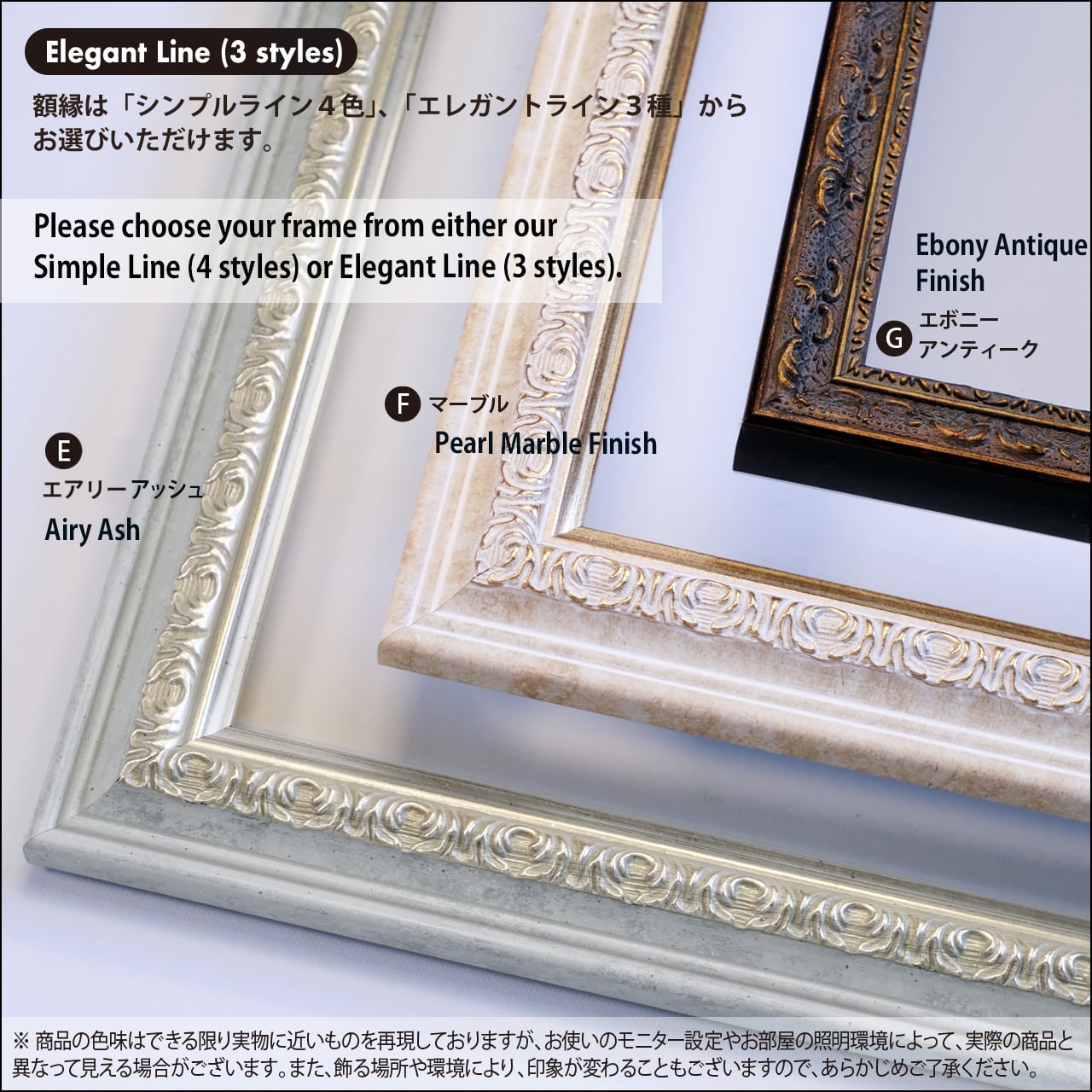
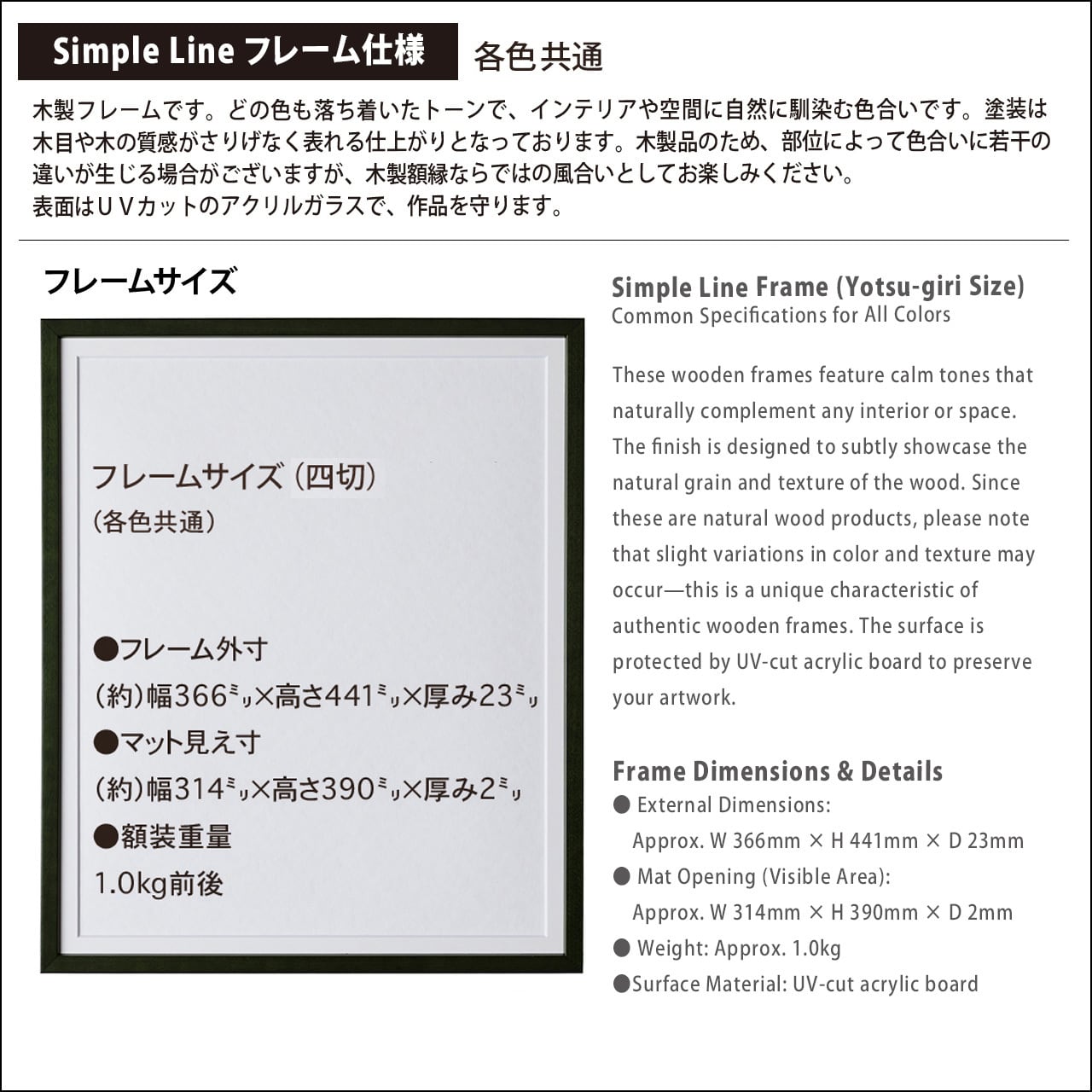
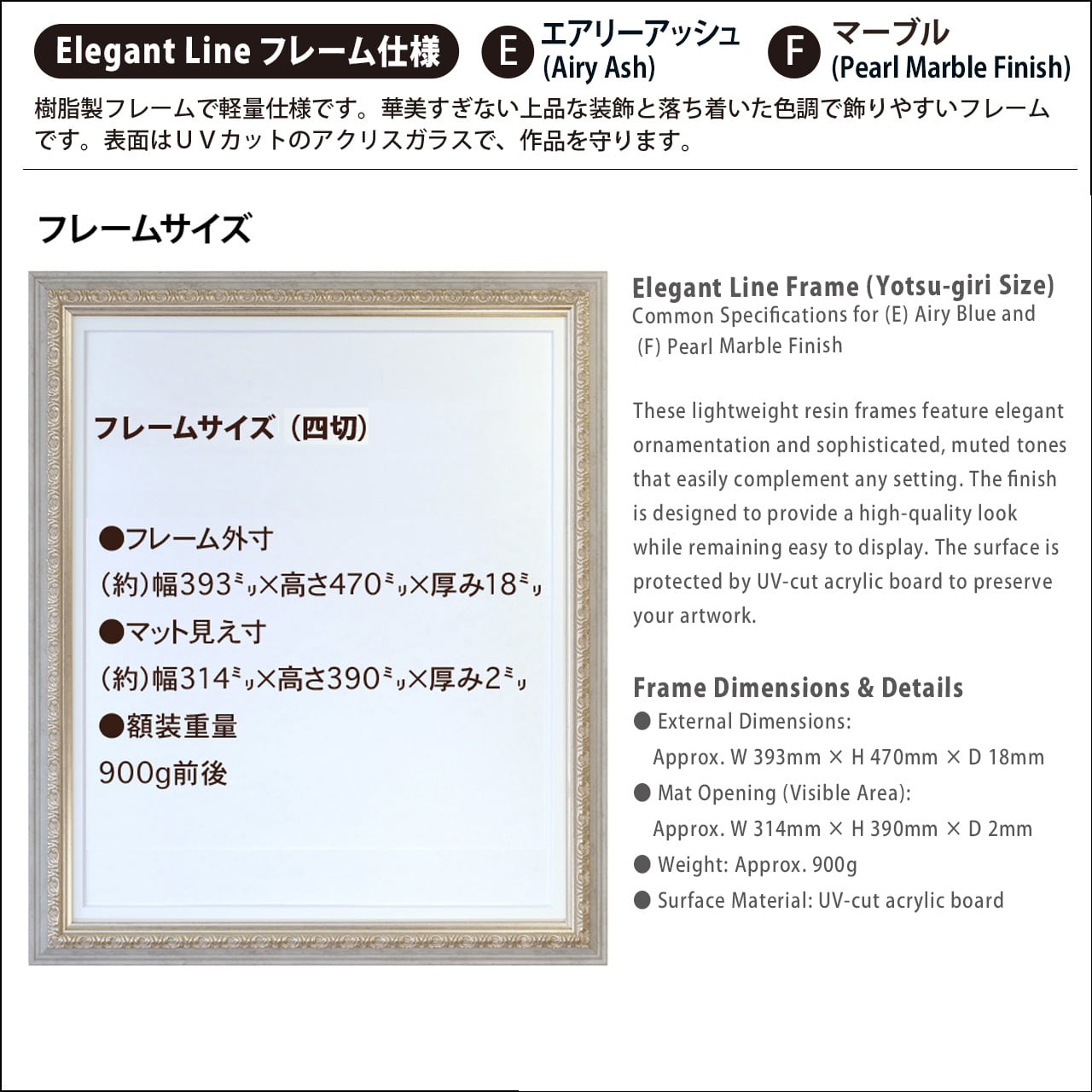
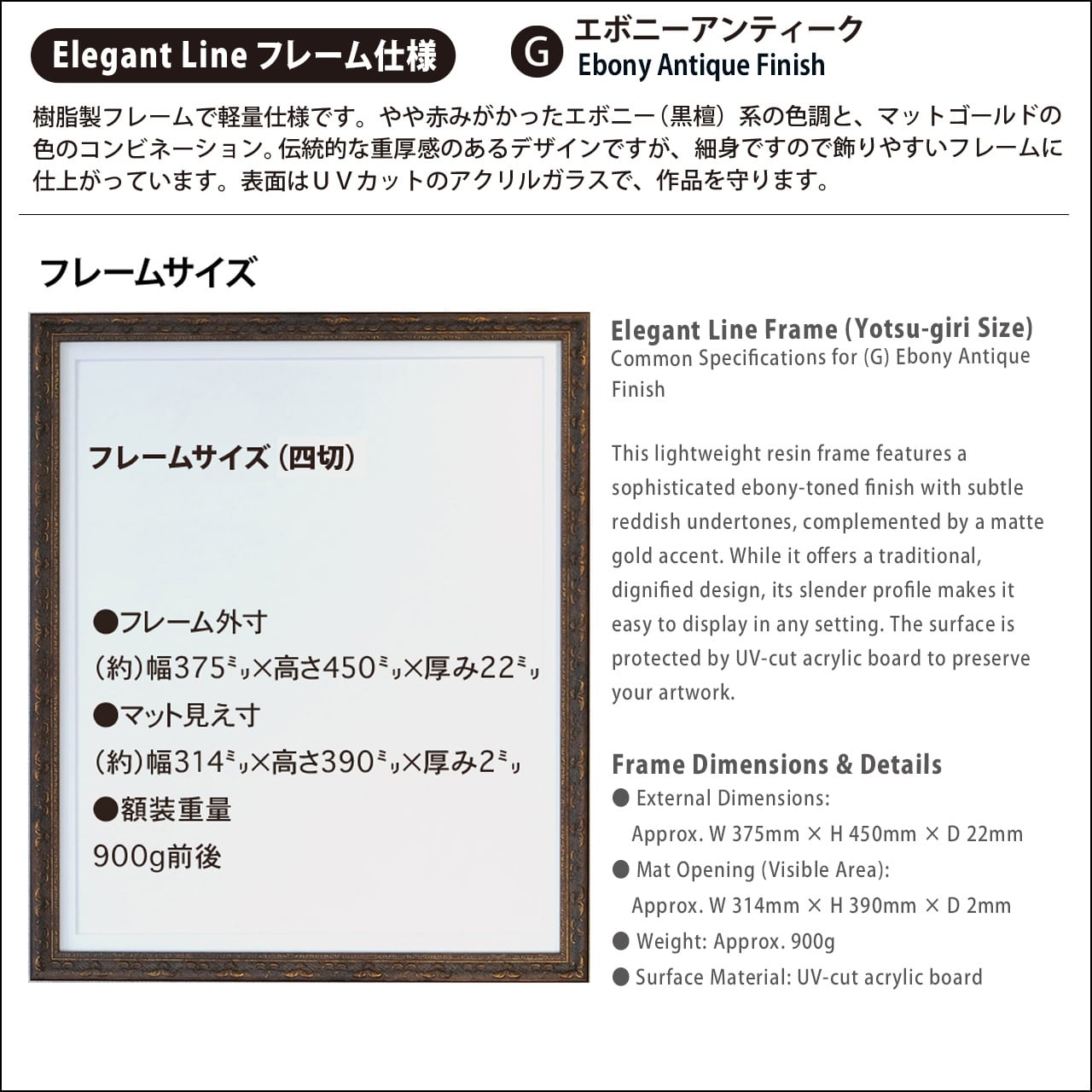
◉額縁/UVカットアクリルガラス、中性紙マット、吊元金具(額側)、吊紐、外箱
Framing: UV-protective acrylic glazing and acid-free mat
Accessories: Hanging hardware (pre-installed), hanging cord
<若きサン=サーンスが描いた“幻のヴァイオリン協奏曲第3番”——その原点>
サン=サーンスが19歳のとき、1859年に書いたこの《華麗なるカプリース(Caprice brillante pour violon et piano)》。
華やかな技巧とドラマティックな旋律が際立つこの作品には、ある“大きな秘密”が隠されています。それは、21年後に誕生するサン=サーンスの代表作『ヴァイオリン協奏曲第3番 ロ短調 作品61』(1880年)へとつながる、驚くべき音楽的な響きです。
特にヴァイオリンを弾かれている方なら、その特徴的なフレーズや情熱的な表現に、後の協奏曲第3番へ通じるものを感じ取るかもしれません。
この《Caprice brillante》を聴いてみると、ヴァイオリン協奏曲第3番の第3楽章を思わせる旋律やリズムが現れます。情熱的なロ短調の響き、めまぐるしく展開する技巧的なパッセージ……まるで若きサン=サーンスが、未来の自分へ向けて音楽の“種”を蒔いていたかのようです。
しかし、これはヴァイオリン協奏曲第3番の下書きやスケッチではありません。
《Caprice brillante》は、ヴァイオリンとピアノによる親密な“対話”を中心とした、独自の魅力を持つ作品です。一方、21年後に生まれる協奏曲第3番は、オーケストラとの壮大なスケールによる表現へと発展し、まったく異なる魅力を持つ作品へと結実しました。
つまり、《Caprice brillante》は、ヴァイオリン協奏曲第3番へとつながる音楽的な萌芽を感じさせながら、それ自身が完成された個性を持つ作品でもあるのです。
もしサン=サーンスがこの《Caprice brillante》をさらに発展させ、協奏曲という形へ向かわせていたら、私たちは今日とは異なる“ヴァイオリン協奏曲第3番”を知っていたかもしれません。そんな想像をかき立てることも、この作品の大きな魅力です。
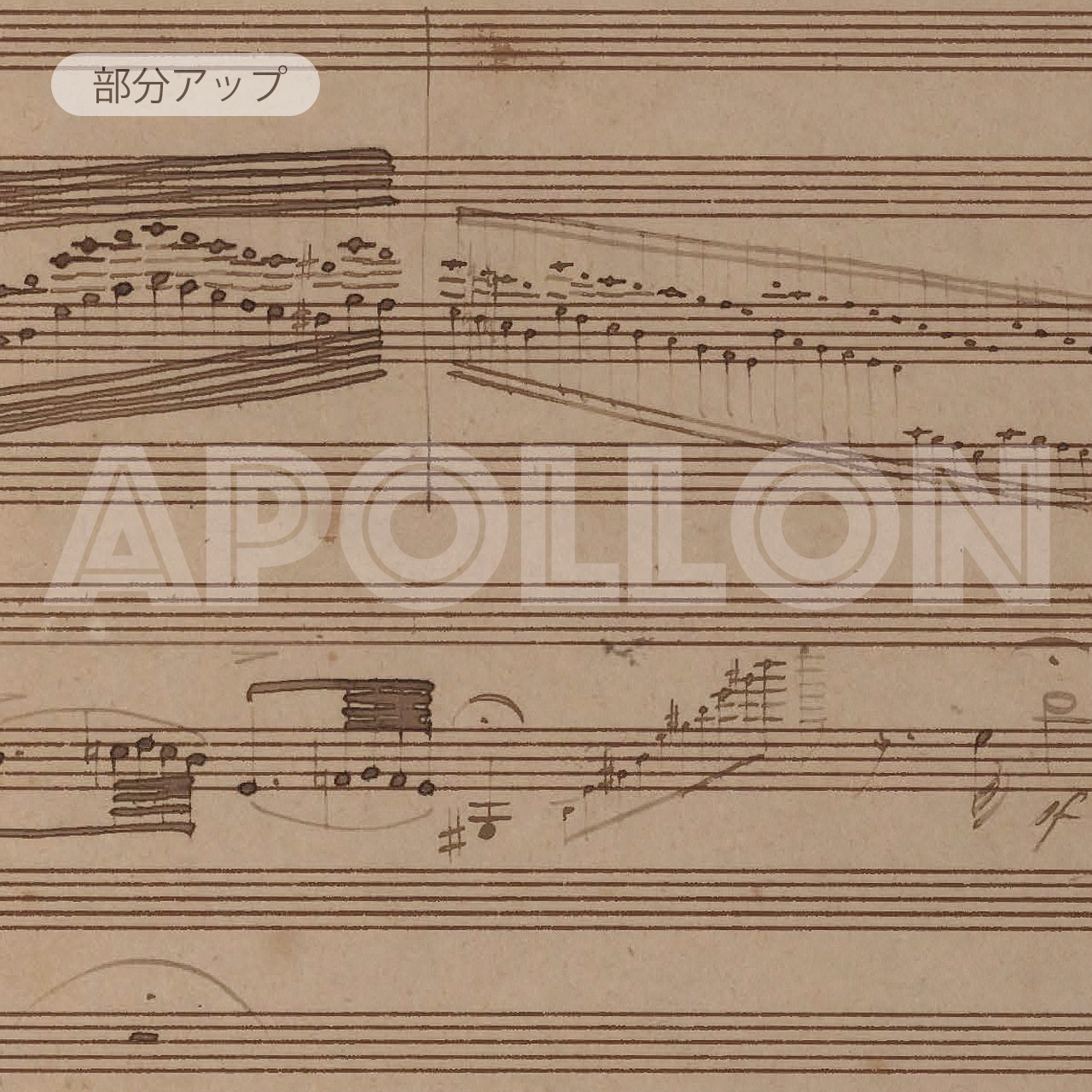
広く知られる機会の少なかったこの自筆譜は、サン=サーンスの若き日の創作の歩みを伝える貴重な資料として注目されています。
この《Caprice brillante》は、1859年の若きサン=サーンスと、1880年に成熟した才能によって生み出されたヴァイオリン協奏曲第3番を結ぶ、あたかも“音のタイムトラベル”のような存在です。
若き天才が描いた“未来の傑作”への原点とも言うべき、この貴重な自筆譜をお楽しみください。
The Origin of a Future Masterpiece —
The “Lost Violin Concerto No. 3” Envisioned by the Young Saint-Saëns
Written by Saint-Saëns at the age of 19 in 1859, Caprice brillante pour violon et piano is a work filled with brilliant virtuosity and dramatic expression.
Within this remarkable composition lies a fascinating secret.
It contains a remarkable musical connection to one of Saint-Saëns’s greatest masterpieces, the Violin Concerto No. 3 in B minor, Op. 61 (1880), composed 21 years later.
For violinists especially, the distinctive phrases and passionate expressions of this work may reveal echoes of the later concerto.
When listening to Caprice brillante, one can hear melodies and rhythms that evoke the third movement of the Violin Concerto No. 3. The passionate atmosphere of B minor and the dazzling technical passages that unfold one after another create the impression that the young Saint-Saëns had already planted the musical seeds of a work he would create in the future.
However, this is not a draft or sketch of the Violin Concerto No. 3.
Caprice brillante is a work with its own unique character, centered on an intimate “dialogue” between violin and piano. In contrast, the Violin Concerto No. 3, created 21 years later, developed into a work of entirely different scale and expression, expanding these musical ideas into a grand dialogue between soloist and orchestra.
In this sense, Caprice brillante allows us to glimpse the musical origins that lead toward the Violin Concerto No. 3, while remaining a complete and independent work in its own right.
One may imagine that, if Saint-Saëns had further developed this work into a concerto, we might have encountered a very different “Violin Concerto No. 3” today. This possibility is one of the great fascinations of this remarkable manuscript.
This autograph manuscript, which has had relatively few opportunities to become widely known, is a valuable document revealing an important stage in the creative journey of the young Saint-Saëns.
Caprice brillante serves as a musical bridge between the young Saint-Saëns of 1859 and the mature composer who created the Violin Concerto No. 3 in 1880 — almost like a “musical journey through time.”
Please enjoy this precious autograph manuscript, which may be regarded as the origin of a future masterpiece created by a young musical genius.
※Pay IDからご覧の方は下記URL(当店サイト)に
額の色目、仕様等、詳しく載っていますので、ぜひご確認下さい。
https://apollon.kooki-museum.com
<商品画像と実物の色味について>
商品の色味については、できる限り実物に近づけるよう調整を行っておりますが、お使いのモニター設定や機種、お部屋の照明環境によっても、実際の商品と異なって見える場合がございます。また、所蔵機関のスキャニングデータに基づくため、オリジナルの自筆譜と色味が異なることもございます。あらかじめご理解いただきますようお願い申し上げます。なお、一部の作品には、裏写り(裏面の楽譜の透け)、経年によるシミ、または原資料の修復に由来する痕跡が見られる場合がありますが、これは所蔵先のスキャニングデータに起因するもので、原稿の忠実な再現です。
<Important Notes on Color & Appearance>
Color Consistency:The actual color may vary depending on your monitor settings or room lighting. As these prints are based on official institutional scans, minor color variations from the original manuscript may occur.
<Image Detail & Historical Authenticity>
Some prints may show "bleed-through" (musical notation from the reverse side), authentic age spots, or visible restoration marks from the original source. These are not defects, but a faithful reproduction of the original historical manuscript, preserved to maintain its archival character.
▼【Reference】
YouTube Channel: Pascal Devoyon
-
 クララ・シューマン:ピアノとヴァイオリンのための3つのロマンス 第1曲 Op.22-1/Schumann, Clara: Drei Romanzen, Op. 22, Nr. 1: Andante molto¥14,630 ($92.68)
 -
 クララ・シューマン:6つの歌 より「僕は暗い夢の中にいた」Op. 13, Nr. 1/Clara Schumann:6 Lieder, Op. 13, Nr. 1 „Ich stand in dunklen Träumen“¥14,630 ($92.68)
 -
 クララ・シューマン:ピアノのための3つのロマンス 第1曲 Op. 21-1/Clara Schumann:Drei Romanzen für Klavier Op. 21 Nr. 1 (Widmung an Robert Schumann)¥14,630 ($92.68)